




The 4 phases of the cycle: How your body and mood change during the cycle
Your cycle is more than just "having your period." Each phase changes how you feel in your body - hormonally, physically, and emotionally. Understanding the four phases helps you listen to your body better. This article will show you how.
4 phases of the menstrual cycle explained simply
Phase 1: Menstruation (Days 1–5): Your period begins – the body sheds the old uterine lining. Many feel exhausted or more sensitive than usual during this phase.
Phase 2: Follicular phase (days 6–13): Your body restarts: An egg cell matures, the hormone estrogen rises. You often feel more energy, clarity, and a desire for activity.
Phase 3: Ovulation (approx. day 14): A mature egg is released – now you are at your most fertile. Many women feel more beautiful, more open, or experience increased libido.
Phase 4: Luteal Phase (Days 15-28): The body prepares for a possible pregnancy. Mood swings, cravings, or PMS may occur.
Tip: A menstrual cycle calendar can help you better understand your rhythm and adjust your daily routine accordingly.
Why does my cycle consist of four phases?
Your body follows a natural rhythm – controlled by hormones that rise, fall, or are replaced each month. These hormonal changes determine what happens in your ovaries and uterus. This results in four typical phases: menstruation, the follicular phase, ovulation, and the luteal phase.
Each phase has its own purpose – and often its own distinct mood. Understanding these processes will help you better understand your body. And with a little practice, you'll even be able to recognize which phase you're in – both physically and emotionally.
Phase 1: Menstruation (Days 1-5)
Your cycle begins on the first day of your period. Your body is now shedding the uterine lining because pregnancy has not occurred. Estrogen and progesterone levels are at their lowest – you might feel exhausted, emotional, or irritable during this phase. This is not a coincidence, but a normal part of your body's natural process.
The uterine muscles contract to shed the old lining. This can lead to cramps, but also to a feeling of internal "cleansing." Some women report feeling more clear-headed once the first few days are over.
Tip:
During this phase, treat yourself to things that make you feel good: a hot water bottle, breaks, gentle exercise. Pay attention to your body's signals – and accept it if your energy is currently lower.
The same applies to your choice of period products: anything that feels good is allowed. Many women don't tolerate tampons very well during this phase – especially at the beginning or with a light flow.
Read also: Severe menstrual pain: How to get through your period comfortably
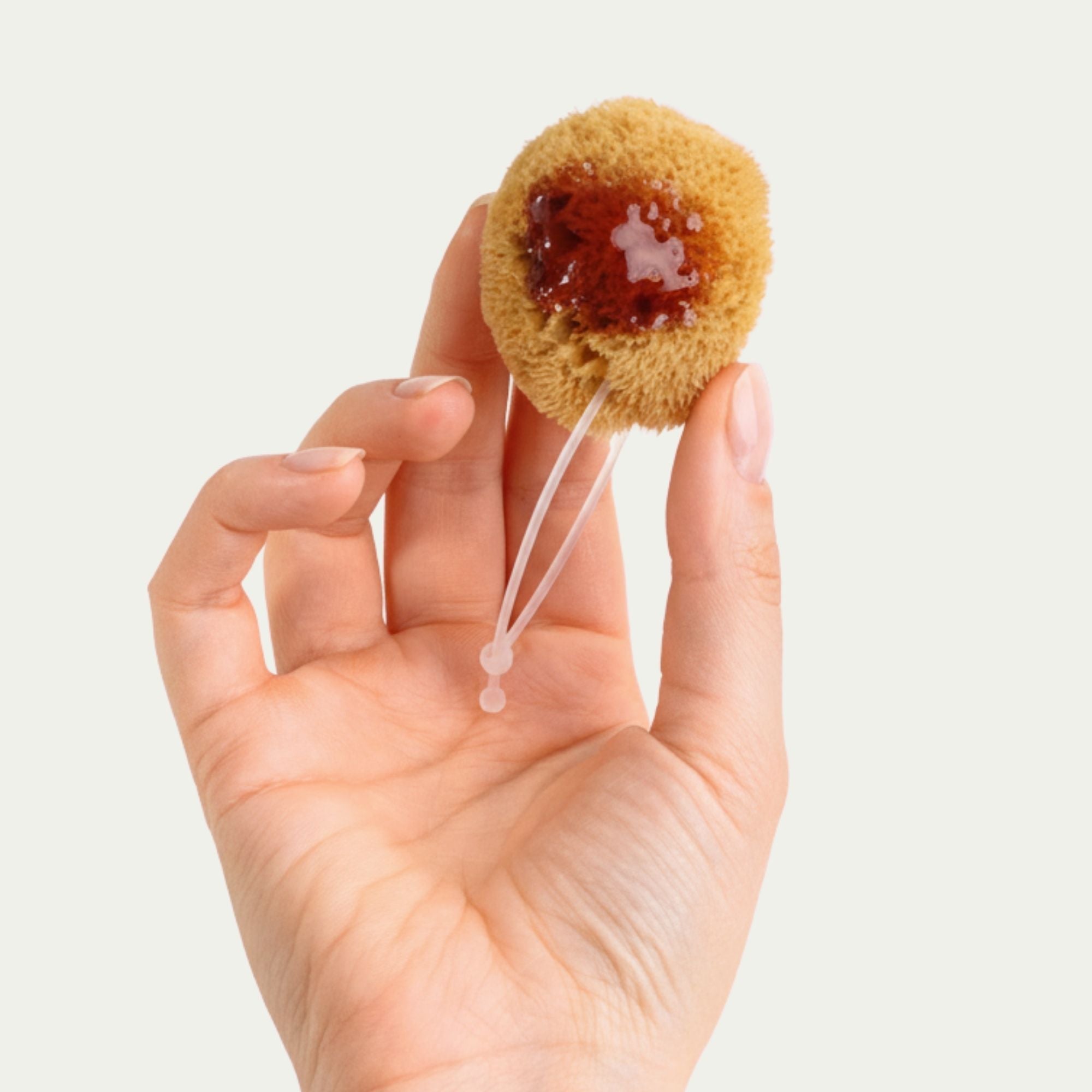
HERA's soft menstrual sponges are gentle on the mucous membrane and adapt to your body shape – without any friction or pressure.
Click here to go to the HERA starter set
Phase 2: Follicular Phase (Days 6-13)
As soon as your period stops, your body begins to rebuild. The so-called follicular phase usually starts on day 5 of your cycle and lasts until ovulation. During this time, follicles mature in your ovaries – one of which will release the egg. At the same time, the uterine lining rebuilds itself.
Estrogen levels are slowly rising. You might feel clearer-headed, more focused, and more creative. Your physical energy is also increasing. This is a good time for new projects, exercise, or making decisions.
Tip:
Use this phase to initiate things that are important to you – whether personal or professional. Your body will support you with a natural energy boost.
Phase 3: Ovulation (approx. day 14)
Around the middle of your cycle, your body releases a mature egg. It travels to the fallopian tube and can now be fertilized. If you want to get pregnant, these are your most fertile days. If you don't want to get pregnant, you should use particularly reliable contraception now – your body is geared towards maximum fertility.
You might experience increased energy, mental clarity, or libido around the time of ovulation. Your cervical mucus also becomes noticeably thinner – this helps sperm reach the egg more quickly. Not everyone consciously perceives ovulation, but many learn to interpret the signs over time.
Tip:
If you want to get to know your cycle better, observing cervical mucus, temperature, or mood can help. Even small physical signals often tell you more than an app.
Phase 4: Luteal phase (days 15–28)
After ovulation, your body prepares for a possible pregnancy. The hormone progesterone rises to maintain the uterine lining. If fertilization does not occur, the progesterone level drops again – and the next cycle begins with menstruation.
During this phase, many women experience changes in mood and physical sensations. You might be more sensitive, irritable, feel restless, or have a need to withdraw. Some women also experience so-called PMS symptoms such as cravings, breast tenderness, or sleep disturbances. This is nothing to worry about; it's a natural part of the menstrual cycle.
Tip:
During this phase, consciously take time for rest and relaxation. Gentle exercise, sufficient sleep, and mindful intimate hygiene will help your body stay balanced.
When should I have my menstrual cycle checked by a doctor?
Your cycle can be irregular – especially during stressful periods, when stopping the pill, or after lifestyle changes. But if you have persistent problems, it's worth seeing a doctor. This is particularly true if your cycle significantly impacts your daily life.
Severe pain, very long or very short cycles, unusual discharge, or spotting can also indicate a hormonal imbalance or other underlying causes. You don't have to endure this – seek support.
When you should get it checked out:
• Your period stops for several months
• The bleeding is extremely heavy or lasts a very long time
• You regularly experience severe pain or PMS
• You feel physically or mentally stressed by changes in your menstrual cycle
Tip:
By tracking your cycle, you can more easily identify changes. This also helps in discussions with your gynecologist.
FAQs
Can I tell which phase of my menstrual cycle I'm in?
Yes – many women notice physical or emotional signals: increased energy, feelings of tension, mood swings, or changes in vaginal discharge. A menstrual cycle calendar can help you recognize these patterns more easily.
How do I find out when I ovulate?
You can pinpoint ovulation using your menstrual cycle calendar, changes in cervical mucus, or by taking your temperature. Some women also experience mittelschmerz (mid-cycle pain) in their lower abdomen.
What are the real benefits of a menstrual cycle calendar?
A menstrual cycle calendar helps you understand your rhythm – whether for trying to conceive, contraception, or self-care. It shows you when you feel how and how you can specifically support yourself.
When is the best time to exercise during your menstrual cycle?
The follicular phase and ovulation are suitable for intensive exercise, while the period and luteal phase are better suited for calm activities such as yoga or walking.
Can the menstrual sponge be used in every phase of the menstrual cycle?
The sponge is primarily intended for use during menstruation – it gently absorbs blood without drying out. You shouldn't use it between periods.
How long does a normal menstrual cycle last?
An average cycle lasts 25–35 days. The exact length isn't important, but rather a certain regularity. Fluctuations of a few days are perfectly normal.
What helps against PMS in the luteal phase?
Make sure you get enough sleep, exercise, magnesium, and reduce stress. A calm daily routine and a diet that supports your menstrual cycle can also help alleviate symptoms.
Read more
The color of your menstrual blood can range from light red to dark brown or almost black – and in most cases, this is completely normal. It depends primarily on how quickly the blood flows and how...
What helps against a bladder infection during menstruation? Period and bladder infection at the same time? Not a good combination. We'll show you what really helps – and leave the causes and sym...
