



Menstrual Sponge and IUD – Is It Safe? And Why Menstrual Cups May Be Risky
A menstrual sponge during your period and an IUD for contraception? That might sound like a contradiction at first.
But both can work well together – if you know what to pay attention to. In this article, you'll learn how a menstrual sponge interacts with an IUD, what risks exist, and how to avoid them.
What is an IUD?
The IUD sits inside the uterus – with a retrieval string that extends through the cervix into the vagina.
Whether copper or hormonal: both IUD types are small, T-shaped pieces of plastic that work inside the uterus. They’re inserted by a medical professional and can stay in the body for several years.
For safety, they have a thin retrieval string that extends through the cervix and can be felt in the vagina. Most women hardly notice it – but if you're using inserted products (like cups or sponges), you should know where it is.
How does a menstrual sponge work?
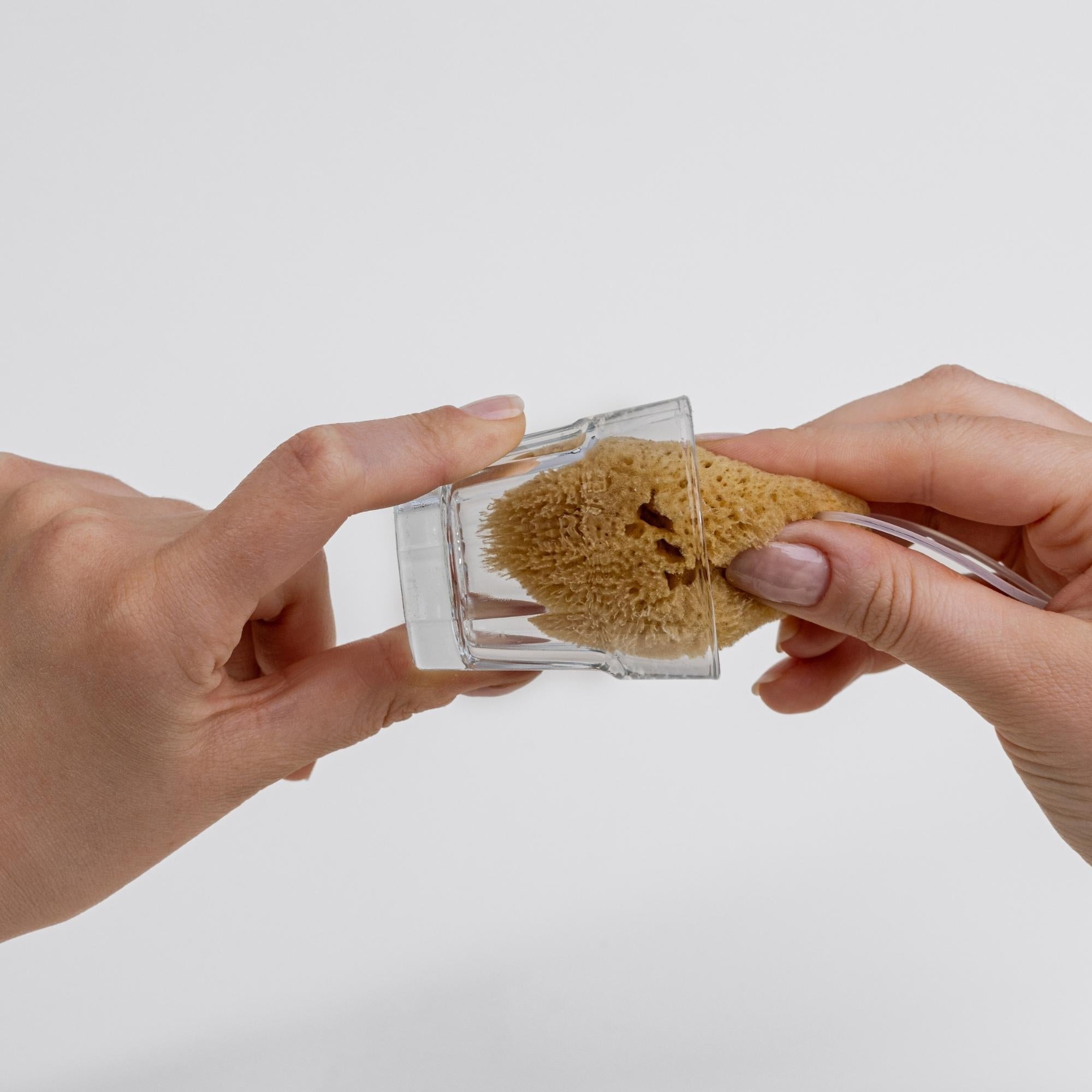
A menstrual sponge is moistened under water, gently inserted, and safely absorbs menstrual blood.
A natural menstrual sponge is made from a soft, fine-pored material that grows in the sea. It adapts to your body and becomes especially soft when dampened and lightly squeezed before insertion.
Once in place, the sponge reliably absorbs menstrual blood and holds it securely. Unlike a cup, it creates no suction. To remove it, simply grasp it with two fingers and pull it out gently. Many women find it pleasantly soft and barely noticeable.
What should I keep in mind when using a sponge and IUD together?
The most important thing is gentle insertion and removal of the sponge.
A menstrual sponge generally doesn’t interfere with the IUD. The retrieval string of the IUD lies in the vaginal canal, but with a bit of care, it’s not a problem.
Use two fingers to grip the sponge, pull it out slowly, and make sure not to tug on the IUD string by accident.
One benefit: the sponge doesn’t need to be inserted deeply to sit well – this reduces the chance of contact with the string.
Many women regularly check the length or position of the IUD string. This helps build body awareness and confidence.
If you’re new to either the IUD or sponge, take it slow and gentle for the first few cycles.
Can I use a menstrual cup with an IUD?
Several studies have shown an increased risk of accidental IUD expulsion when removing a menstrual cup – especially if suction or pulling on the string creates pressure on the IUD.
A menstrual sponge works differently: it creates no suction and is removed gently with two fingers. This makes the risk significantly lower.
Many gynecologists see the sponge as a body-friendly and safe alternative – when used with care and of good quality. The sponge can be removed gently and without applying pressure to the IUD.
This makes it a great option for anyone who just got an IUD or feels unsure about cups. It's also appreciated by those who want more everyday flexibility.
Sources:
– National Library of Medicine / PMC (2023): Review on IUDs & menstrual products
– PubMed (2019): Survey on IUD expulsion with product use
– The Green Journal (2020): Prospective study on IUDs & menstrual cups
How to use sponge & IUD safely
With a little practice, sponge use with an IUD becomes easy and relaxed.
Before first use
Soak the sponge in warm water, add a cleaning tab, then rinse it thoroughly.
Before insertion
Briefly hold it under water and gently squeeze – this makes it soft and smooth.
Insertion
Insert the sponge gently with your fingers. You don’t need to place it deep – that protects the vaginal lining and keeps distance from the IUD.
Changing
Change the sponge every 3 to 8 hours, depending on your flow. Remove it with two fingers or the attached retrieval string. Rinse briefly with water and reinsert.
After your period
Clean the sponge again with a cleaning tab, let it dry, and store it in a breathable pouch until your next cycle.
Our tip for on-the-go:
A To-Go Case is especially handy when you're out. You can store the used sponge safely in the case and clean it thoroughly at home.
That way, you're always flexible and well-prepared – even on busy days.
Everything you need is in the HERA Starter Set: three sponges in your preferred size, cleaning tabs, breathable pouch and To-Go Case.
→ [Go to the HERA Starter Set]
When should I avoid using a menstrual sponge?
There are times when it's better to skip the sponge – whether or not you have an IUD.
For example, right after getting an IUD. In the first few weeks, it should settle firmly into the tissue.
Also avoid internal products during vaginal infections, inflammation, or yeast infections. The same applies to postpartum recovery or after gynecological procedures.
If you're unsure whether your IUD is correctly positioned or if you’re experiencing discomfort, consult your gynecologist.
Conclusion: Menstrual sponge & IUD – yes, it works
With a high-quality natural sponge and a bit of mindfulness, the sponge is a safe and gentle complement to an IUD.
Many women find the menstrual sponge to be a comfortable, sustainable solution for their period – even with an IUD. It creates no suction, is soft, flexible, and easy to remove.
Quality matters: choose sponges that are natural, thoroughly cleaned, and lab-tested.
See also: Is the menstrual sponge dangerous? Myths & facts about menstrual sponges.
That’s what the HERA sponge stands for – carefully selected, processed, and microbiologically tested. So you can feel confident about what you’re using for your body.
→ Still have questions about our menstrual sponges? [Find answers here.]
About the author
Florence is responsible for blog, social media and newsletters at HERA Organics. She writes about body-friendly hygiene, sustainable period care and all things cycle-related – honest, clear and without taboos.
[Learn more about HERA Organics]
Read more
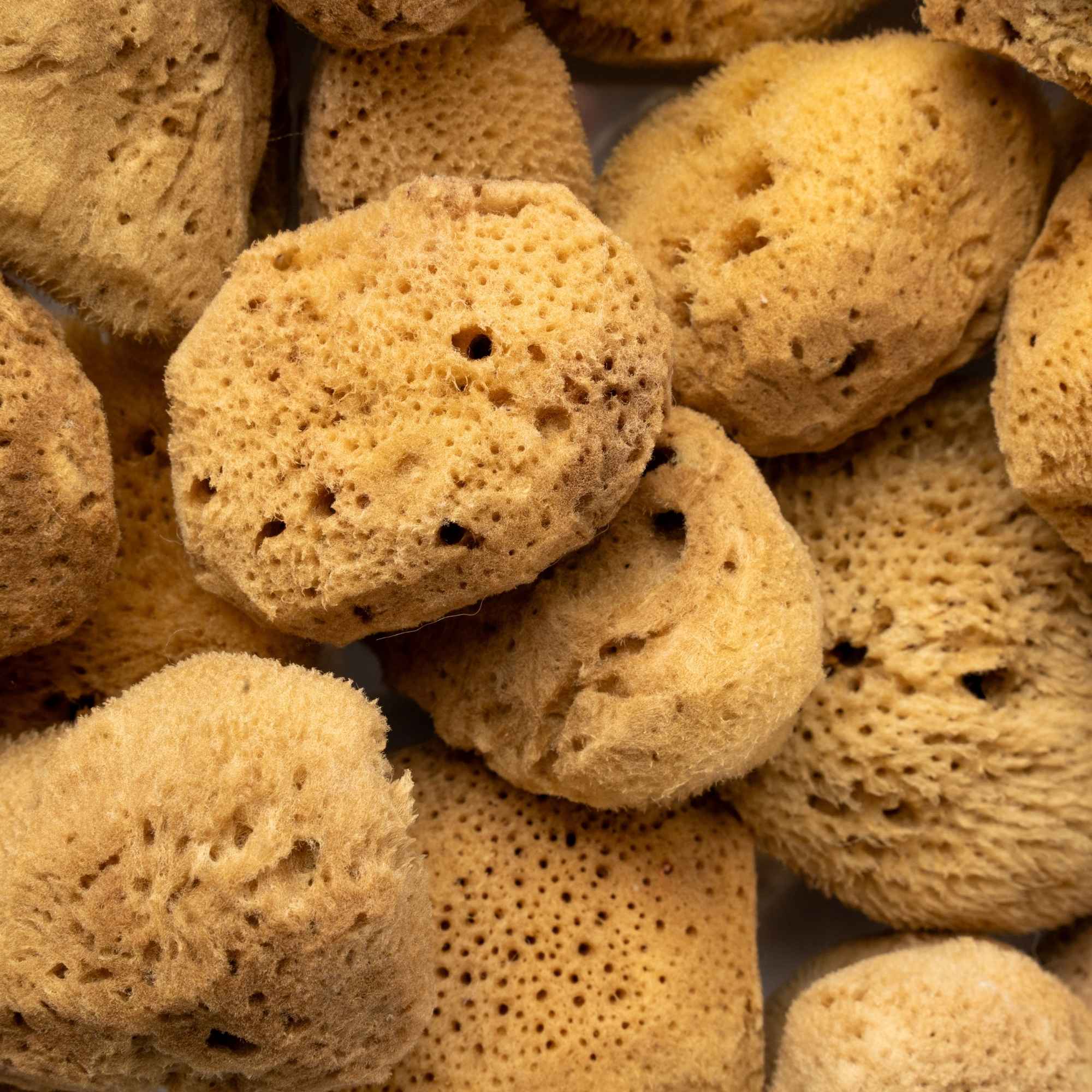
The anatomical facts about the uterus, vagina, ovaries and the menstrual sponge. Find out why the sponge cannot be lost in the body and get helpful tips on how to remove it if difficulties arise.
Saunas can relieve cramps and clear your head during your period. Read on to find out which types of saunas work well and what you should still be aware of when using a sauna during your menstruat...