



The Myth of the "Wet Vagina": Why Vaginal Dryness Affects Young Women Too and What You Can Do About It
Vaginal dryness affects many women, yet hardly anyone talks about it. Younger women, in particular, often think they are alone.
Drought is not a taboo subject.
Here you can read about the possible causes, why you don't need to be ashamed, and what helps with vaginal dryness.
Three things you should know about vaginal dryness
- If the mucous membrane of your vagina is too dry, it becomes more sensitive – this can lead to burning, itching or pain during sex.
- Triggers can include hormonal changes (e.g. during breastfeeding), stress, certain medications or hormonal contraception.
Gentle care, moisturizing gels, sitz baths and stress reduction can alleviate your symptoms – your period products should also not further irritate the mucous membrane.
What is vaginal dryness?
Vaginal dryness means that your vaginal lining produces too little lubrication over a prolonged period. This leads to friction, burning, or pain during sex and affects not only menopausal women but also many women between 25 and 35.
The mucous membrane of your vagina normally produces moisture that protects the tissue, reduces friction, and helps to ward off germs.
How much you feel it depends, among other things, on your menstrual cycle. Sometimes the discharge is clear and stretchy, sometimes creamy, sometimes barely noticeable.
Many women experience vaginal dryness only occasionally – for example, before their period or during periods of stress. Others experience it due to hormonal changes. It becomes problematic when your vagina feels constantly dry – even when you are aroused, for example.
Important: Vaginal dryness is not uncommon and can be treated in various ways.
Causes of vaginal dryness
Causes of vaginal dryness can include: hormonal changes during pregnancy, breastfeeding, or after childbirth, certain medications, hormonal contraceptives, or illnesses. Stress and psychological strain can also play a role.
Sometimes, however, it's simply due to improper intimate hygiene or period products that your mucous membrane dries out.
Dry mucous membranes due to improper intimate hygiene
Many products for daily care are not suitable for your sensitive vaginal mucosa.
The vagina has an acidic environment that it regulates itself. Shower gels with fragrances or a high pH value attack this protective barrier and disrupt the natural balance.
This can lead to irritation, burning, or even dryness.
Our tip: Opt for lukewarm water or mild, pH-neutral intimate wash lotions without perfume.
Vaginal dryness caused by tampons
Tampons are practical and popular, but they absorb not only blood but also natural moisture.
Especially with strong absorbency, this can lead to dryness and irritation.
The dry cotton surface rubs against the mucous membrane and can cause small micro-injuries. This feeling of dryness is particularly pronounced at the beginning or end of menstruation, when there is less blood flow.
If you frequently experience discomfort, it might be time for an alternative to tampons.
Read also:The best tampon alternatives: How to find your perfect period companion
Dry mucous membranes during menstruation?
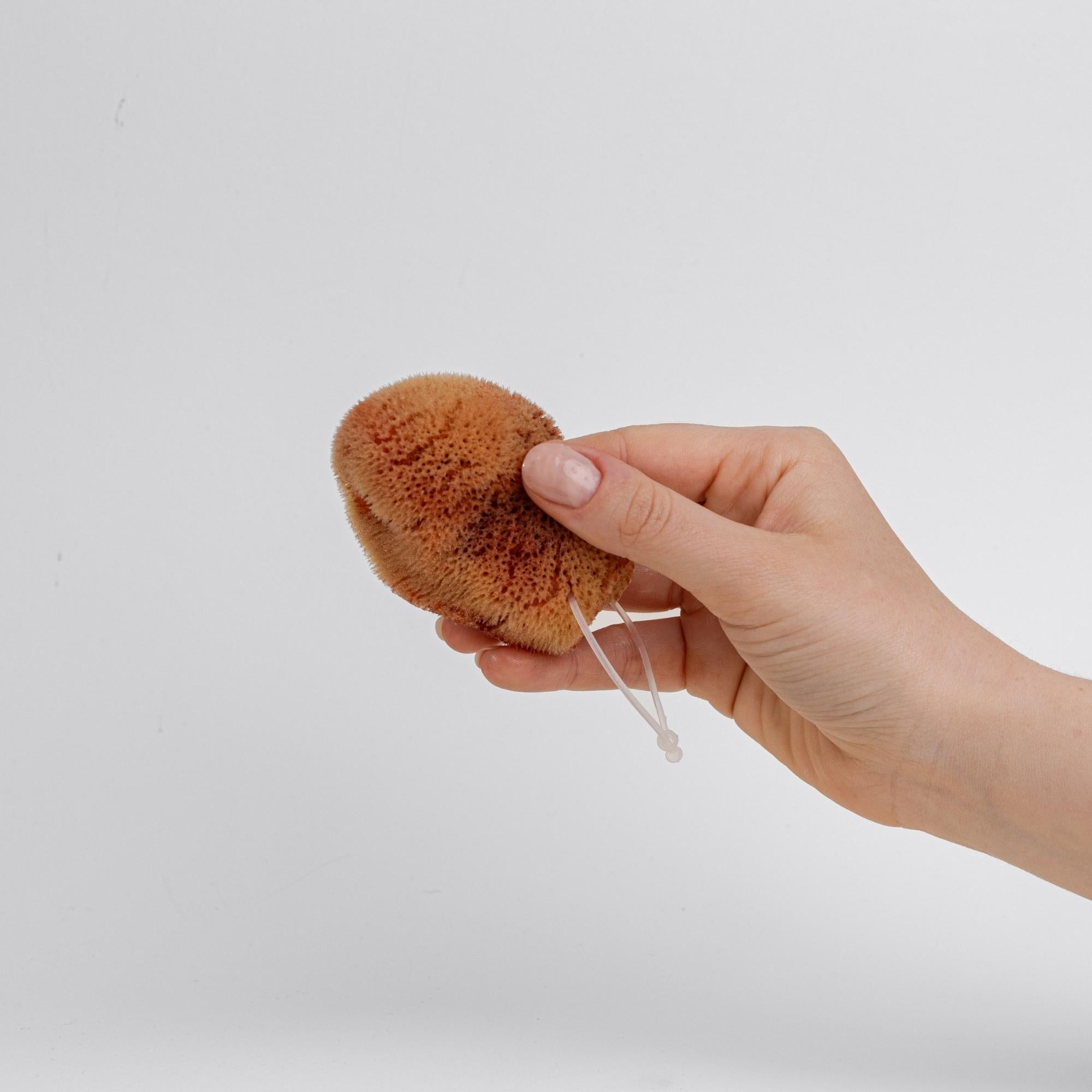
HERA menstrual sponges are natural, soft, and absorbent – without drying out your mucous membranes. The 100% natural alternative to tampons.
Symptoms of vaginal dryness
Typical signs of vaginal dryness include burning, itching, a feeling of tightness, or pain during sex. Often everything feels sore or irritated – sometimes even small tears or traces of blood appear.
Without natural lubrication, friction during intercourse quickly becomes uncomfortable. It can burn, pull, or sting – especially during penetration. Even afterward, a sore feeling or slight bleeding often remains.
Some women experience dryness in everyday life: while sitting, cycling, or urinating. If it repeatedly stings or itches, this could be due to irritated mucous membranes.
Another sign: more frequent infections. When the mucous membrane is dry, it loses its protective function – and bacteria or fungi have an easier time. The discharge sometimes changes as well: it becomes thinner, more yellowish, or smells different than usual.
It's important that you take these signals seriously instead of being ashamed of them.
Myth of always having a wet pussy
The idea that you're always automatically wet during sex is a myth. Porn, pop culture, and even conversations among friends convey a different picture. Often, lubrication is equated with desire – as if it were proof of how much you want it.
But that's not how your body works.
Desire doesn't just originate in the mind, but also in the nervous system. If you're tense or distracted, your body takes longer to react.
That's normal. It doesn't mean there's anything wrong with you.
And sometimes there are other reasons. If you suffer from vaginal dryness, then rest and relaxation won't automatically help.
Incidentally, some women find sex during their period more pleasant because the menstrual fluid provides natural lubrication.
Read also: Pleasure instead of frustration: How to make sex enjoyable and intense during your period
Period sex is disgusting? Not with the HERA sponge.
The sponge adapts to your body shape, reliably absorbs the blood, and is so supple that neither you nor your partner will feel it.
Home remedies for vaginal dryness
DIY tips from the internet should be treated with caution. Many "home remedies" sound harmless at first, but can also irritate your mucous membranes or disrupt the vaginal flora.
Something you can definitely try: a sitz bath with chamomile. It has a calming effect and also relieves itching or burning.
Otherwise, get advice from a pharmacist beforehand – there you can also get moisturizing gels or nourishing ointments that are really suitable for the vaginal mucosa.
A balanced diet can also help, and you have control over that. Foods rich in omega-3 fatty acids – such as flaxseeds, walnuts, or oily fish – support the mucous membranes from within. Natural yogurt can help maintain a balanced vaginal environment.
And: Don't forget to drink enough.
How to prevent vaginal dryness
Vaginal dryness cannot always be prevented, but you can do something to keep your mucous membranes healthy.
Gentle care, suitable products, good stress management, and sexuality without pressure help your body to stay in balance.
Treat your intimate area as simply as possible: Wash yourself only once a day with clear water or a pH-neutral wash lotion.
Avoid using intimate sprays and harsh cleaning products.
Wear breathable underwear and only use panty liners when absolutely necessary.
A notice:
If you suffer from persistent vaginal dryness or if your symptoms worsen – for example, through bleeding, unusual discharge, unpleasant odor, or recurring infections – you should seek medical advice.
Frequently asked questions about vaginal dryness
Can I have sex despite vaginal dryness?
Yes – but only if it feels good to you. Water-based lubricants or moisturizing gels can help reduce friction. Pay attention to your body's sensations and communicate openly with your partner.
Which hormone-free remedies help against vaginal dryness?
There are creams, gels, or suppositories containing hyaluronic acid or lactic acid that moisturize the mucous membranes and support the vaginal flora. These products are available without a prescription and are generally well tolerated.
Can vaginal dryness be caused by stopping the pill?
Yes, that's possible. After stopping the pill, hormonal changes can occur that affect the uterine lining. This often regulates itself after a few months, but can also last longer.
What's better for dryness: a tampon or a pad?
If you suffer from dryness, a soft sanitary pad is often more comfortable. Tampons can absorb additional moisture and thus intensify the feeling of dryness.
Is vaginal dryness also an issue in sports?
Yes – especially with tight-fitting sportswear, heavy sweating, or frequent washing. Make sure you wear breathable underwear and avoid using perfumed skincare products after your workout.
Read more
Do you regularly suffer from severe menstrual cramps? You're not alone. But you definitely shouldn't dismiss period pain as "normal." Read on to find out where period pain comes from, when you shou...
Every month it's the same story: You drag yourself to work with cramps and nausea, functioning and hoping that nobody notices how bad you actually feel. Menstrual leave could be the solution. Not...
