



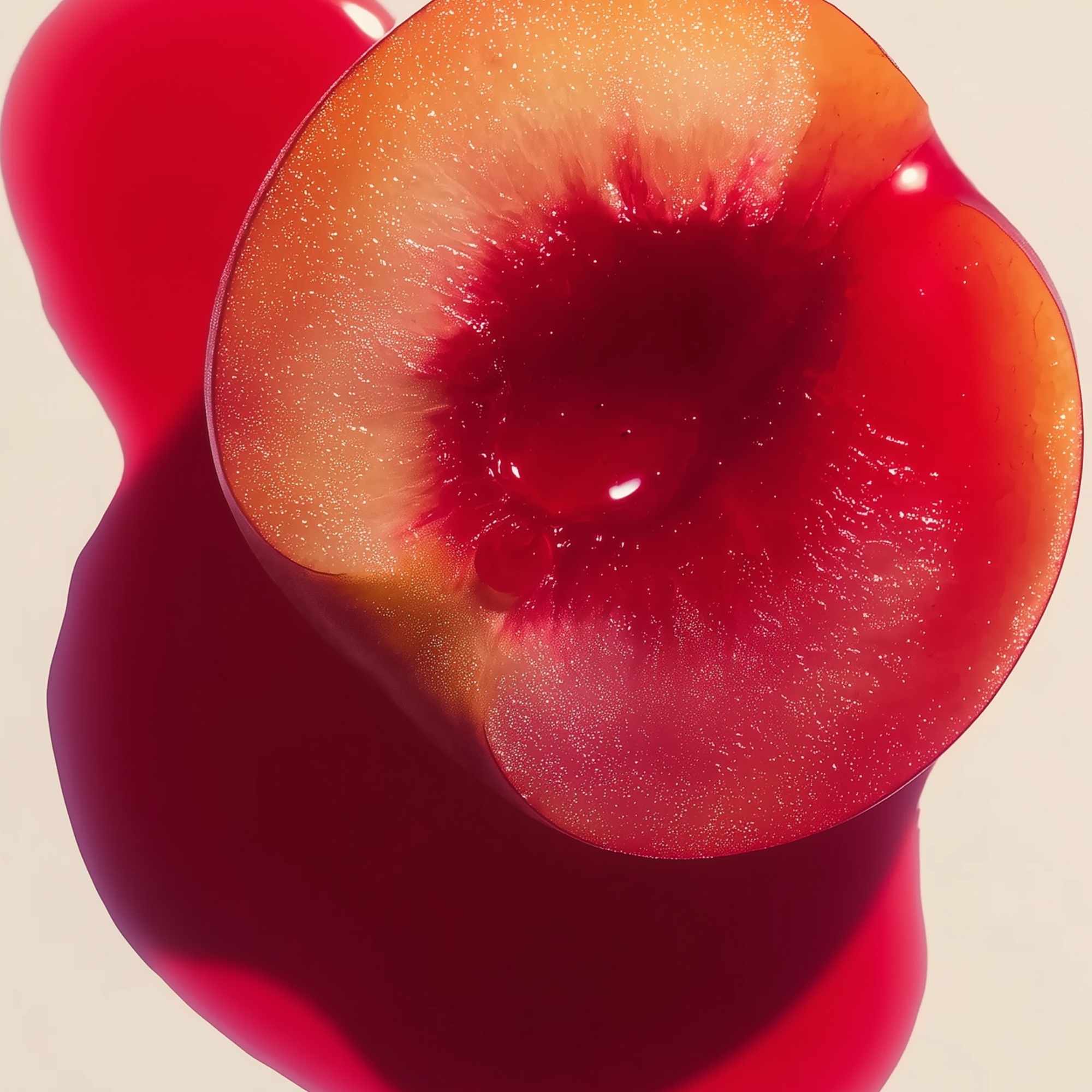
How much blood do you lose during your period? And: Is that normal?
Perhaps you know this feeling: You constantly change your sanitary pads or tampons, have the feeling of "leaking" – and wonder every time if this is still normal.
This article will tell you how much blood you lose on average during your period, when bleeding is considered heavy, and when you should seek medical advice.
Facts for those in a hurry
• On average, women lose 30-60ml of blood per period
• Blood volume varies depending on age, hormones, and health.
• Bleeding exceeding 80ml or lasting more than 7 days is considered heavy bleeding.
• Frequent changes of period products are a warning sign
• Severe blood loss can lead to iron deficiency
• Cycle tracking helps to identify patterns
• Menstrual products with high absorption provide security
How much blood loss during menstruation is normal?
An average menstrual flow amounts to 60 to 120 milliliters – about half an espresso cup. This usually equates to between 10 and 20 milliliters per day, with the majority flowing during the first one to two days.
That doesn't sound like much at first – especially if you feel like you're "leaking". But in fact, what you excrete during your period consists not only of blood, but also of mucus, tissue, and other bodily fluids.
Important to know : These figures are average values. Your individual blood flow may differ – without necessarily being a cause for concern.
Many women underestimate or overestimate their size. That's why it's worth taking a closer look.
Why do some women bleed more heavily than others during their period?
Hormone levels, age, cycle length, and health condition influence how heavily you bleed.
Every period is different, and that also applies to the amount of blood. Young women often bleed more heavily than women in their mid-30s and older.
Even after stopping hormonal contraception, menstrual bleeding can change: it may suddenly become lighter or heavier. Cycle length, thyroid function, stress, and weight also play a role.
Some women experience consistently heavier periods. In others, fibroids, endometriosis, or inflammation increase the amount of blood.
So if you feel that your period is particularly heavy or has suddenly changed, it's worth taking a look at possible triggers – both physical and hormonal.
Contraception can also have the opposite effect: hormonal IUDs or certain pills often reduce bleeding – sometimes to the point of stopping it altogether.
How can I better estimate the blood loss during my period?
With proper observation, you'll get a good sense of how much blood you lose during your period.
Pay attention to your menstrual products: A normal tampon absorbs about 5 milliliters of fluid, a super tampon about 10 to 12 milliliters.
How often you need to change your product is a good indicator. If you're changing tampons or pads every one to two hours, this could indicate a heavier flow. Nighttime bleeding or the feeling of constantly needing to change can also be signs.
It's helpful to keep a cycle diary or use an app. Note how often you change, how you feel, and your energy level – over time, this will give you a realistic picture of your period.
Tip : If you have a heavier flow, a menstrual sponge can be a good alternative. It absorbs up to 30ml of blood, which is three times as much as a super tampon.
Heavy period? Never mind!
Our menstrual sponges from Hera Organics are 100% natural, soft and absorbent.
When should I see a doctor?
If your bleeding restricts you in your daily life or you regularly lose a lot of blood, it's worth seeing a doctor.
Medically speaking, a period is considered "heavy" if you lose more than 80 milliliters per period . The technical term for this is hypermenorrhea .
If your period lasts longer than seven days, it is referred to as prolonged bleeding.
Frequent bleeding, changing pads at night, or feeling constantly exhausted can also be signs of heavy menstrual bleeding.
Warning signs include:
- You need to change your menstrual product every hour.
- You discover large blood clots.
- You feel tired, pale, or dizzy.
- You lose so much blood that you have to get regular sick notes.
You should also take pain, spotting, or discomfort during sex or bowel movements seriously. Possible causes include fibroids, endometriosis, or hormonal imbalances.
The sooner you have it medically checked out, the better you can counteract it.
Many women think: "I've always had heavy periods." But that alone doesn't mean everything is okay – especially if your daily life or well-being suffers as a result.
Can heavy menstrual bleeding have health consequences?
Regularly losing a lot of blood can put a noticeable strain on your body. Iron deficiency, in particular, is a common consequence.
Severe blood loss depletes your body's iron reserves. Your body needs iron to transport oxygen – a deficiency can lead to fatigue, weakness, or difficulty concentrating. Headaches, pale skin, or circulatory problems can also be signs.
A deficiency often develops gradually. Many women only realize late that their energy levels are permanently low and that their period may be partly responsible.
Those who bleed more heavily also have a higher need for iron, magnesium and B vitamins.
If you regularly feel exhausted or suffer from menstrual irregularities, a blood test at your doctor's office can be helpful. This allows you to take targeted action – for example, with diet, supplements, or appropriate therapy.
Heavy bleeding during menstruation - what helps?
With a few simple strategies, you can better support yourself even on tough days:
- Schedule breaks and allow yourself to rest when your body demands it.
- Get enough sleep. You need more rest, especially in the second half of your cycle.
- Move gently. Walks, stretching or light yoga stabilize the circulatory system and release tension.
Eat mindfully. Iron-rich foods like millet, lentils, spinach, or beetroot strengthen your body.
- Pay attention to vitamin C. It helps your body absorb iron better – e.g. from fresh fruit or vegetables.
Choose a menstrual product that gives you peace of mind. Especially during heavy flow, a product that absorbs a lot of fluid – such as a menstrual sponge – is worthwhile.
Click here for the HERA starter set
Conclusion: Every period is different
The amount of period blood you lose can vary from period to period and from woman to woman.
What matters is not what is "normal," but what feels right for you. If you regularly feel exhausted, frequently need to switch products, or your daily life is suffering, you should take that seriously.
There's a lot you can do to support yourself: Monitor your cycle, pay attention to your energy levels, and choose products that suit your needs. And: Seek medical advice if you're unsure about anything.
About the author
Florence is responsible for the blog, social media, and newsletter at HERA Organics. She writes about body-friendly intimate hygiene, sustainable period products, and everything that makes the menstrual cycle more natural – honestly, clearly, and without taboos.
Read more
Every month it's the same story: You drag yourself to work with cramps and nausea, functioning and hoping that nobody notices how bad you actually feel. Menstrual leave could be the solution. Not...
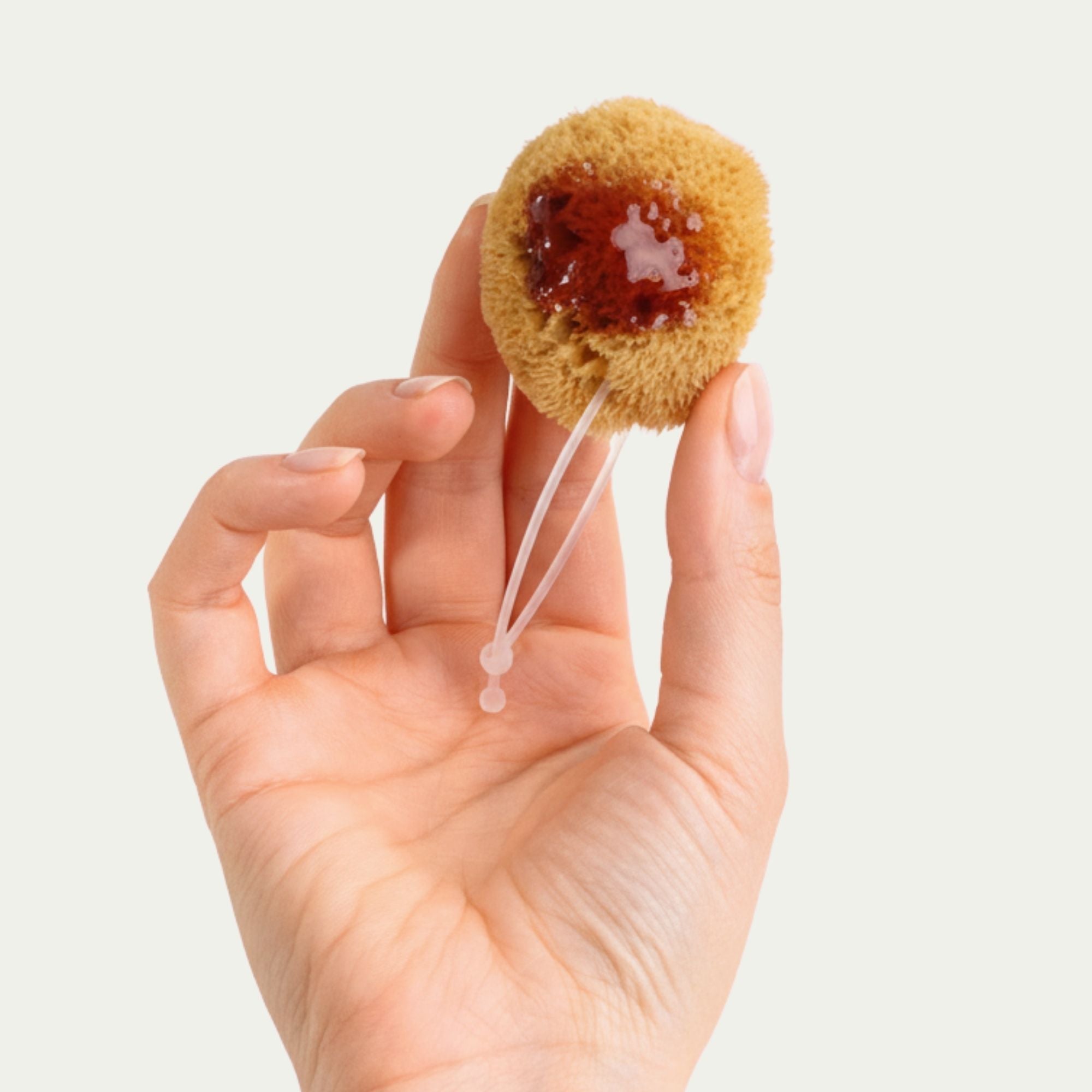
The color of your menstrual blood can range from light red to dark brown or almost black – and in most cases, this is completely normal. It depends primarily on how quickly the blood flows and how...
