



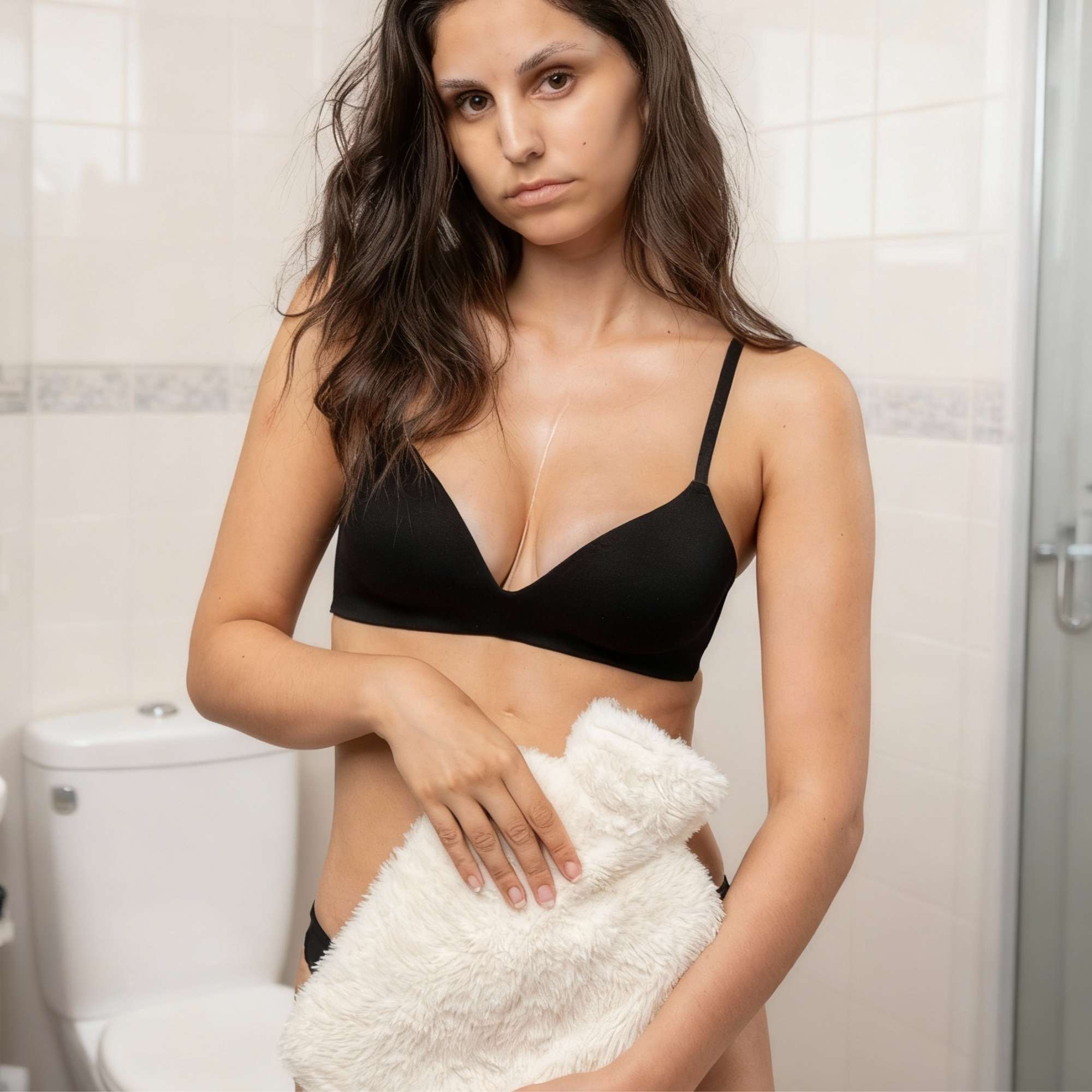
Diarrhea during your period: Why period diarrhea occurs and what you can do
Many people are familiar with it, but few talk about it: During menstruation, not only does the lower abdomen change, but often digestion does as well. Diarrhea, frequent bowel movements, or bloating are typical accompanying symptoms. Usually harmless, but often unpleasant.
Why this happens and what you can do about it can be found here.
Facts for those in a hurry
• Diarrhea during menstruation is hormonally caused and usually harmless.
• Prostaglandins stimulate bowel movements and trigger more frequent bowel movements.
• Bloating, constipation, or abdominal cramps are also typical symptoms of the menstrual cycle.
• Pay attention to light meals, drinking enough fluids and gentle exercise
• Medical advice is important in case of severe, persistent or unusual symptoms.
Why do I get diarrhea during my period?
Hormones like prostaglandins not only stimulate the uterus – they also affect the intestines and can trigger diarrhea.
Many menstruating women experience unusual digestive reactions before or during their period – especially frequent diarrhea or bowel movements.
The reason lies in your hormonal balance.
Prostaglandins are tissue hormones that trigger contractions in the uterus, allowing the lining to be shed. They are also responsible for typical period cramps – and their effects are not limited to the local area: they can also stimulate the intestines. This causes bowel movements to increase, water absorption to decrease, and stools to become soft or liquid.
After ovulation, your body produces progesterone to support a possible implantation. Shortly before menstruation, this level drops again. This drop in progesterone relaxes the muscles, including those in the intestines. This can lead to looser stools or diarrhea.
Furthermore, your body is in a "cleansing mode" and is not only cleaning the uterus.
Other possible triggers include:
- stress
- Cycle-related food cravings
- Premenstrual sensitivity or conditions such as endometriosis.
A widespread thought:
"There's something wrong with me – this isn't normal, is it?"
Yes, it is. Such symptoms are common and usually harmless. The crucial factor is their severity.
Tip:
Note down in your cycle calendar when which symptoms occur. This way you can recognize patterns and react more effectively.
When should I see a doctor if I have diarrhea during my period?
If the diarrhea is severe, prolonged, or unusual, you should have it checked by a doctor – especially if there is pain, fever, or blood in the stool.
Many digestive problems during menstruation are harmless. Nevertheless, it's worth paying attention to warning signs – especially if the symptoms occur regularly and severely or significantly restrict your daily life.
Seek medical advice if:
- the diarrhea lasts longer than 2-3 days
- you have severe pain or cramps
- you discover blood or mucus in your stool
- you also experience fever, chills or severe exhaustion
- You are generally unsure whether your menstrual cycle is "normal".
Conditions like endometriosis or irritable bowel syndrome can also worsen your symptoms. Document any unusual symptoms – this will also help your doctor.
What can I do if I have diarrhea during my period?
Eat light meals, drink plenty of fluids and get plenty of rest – this will help your body to better cope with hormonal stress.
Your body works on several levels during your period. If your bowels are also acting up, you don't need to take drastic measures.
Here's what you can do:
- Drink plenty of fluids, especially if you have loose stools.
- Eat easily digestible foods, such as porridge, rice, or bananas.
- Move gently, for example by walking or doing light stretching exercises.
- Avoid additional stress
Listen to your gut feeling – you know what's good for you.
Period diarrhea and appropriate menstrual hygiene
Diarrhea during your period can also challenge your menstrual hygiene.
Perhaps you know this feeling: You're sitting on the toilet and wondering if your tampon is still in the right place.
Or you might notice that the retrieval string has become damp and is bothering you. Some women feel like they're actually "pushing the tampon out" along with it.
And what about a menstrual cup? If it's positioned awkwardly, it can also cause discomfort or slip out of place after using the toilet.
Many women find such situations unsettling – especially if their abdomen is already sensitive.
The most important thing is a menstrual product that fits comfortably, remains discreet, and doesn't put any additional strain on you.
Our tip:
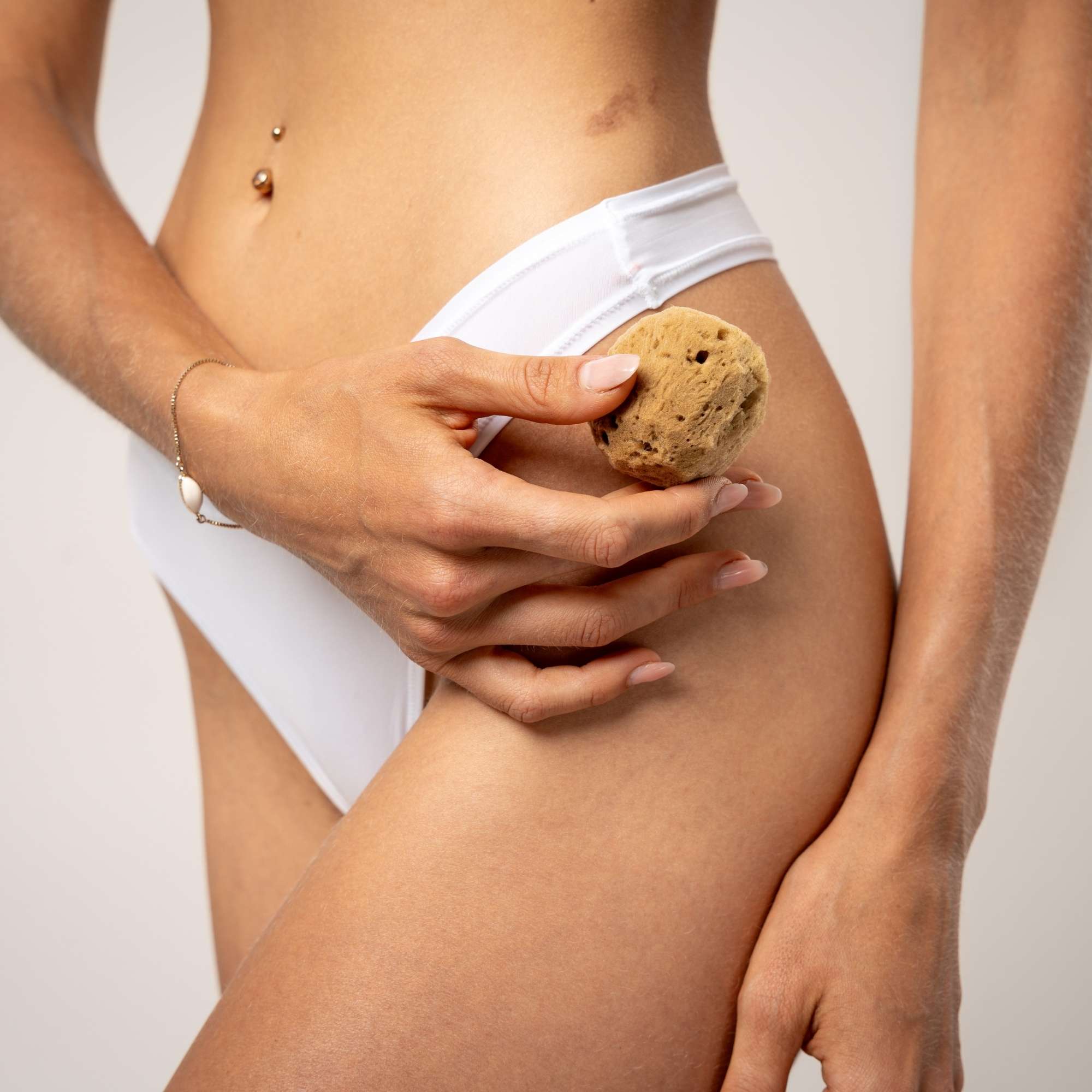
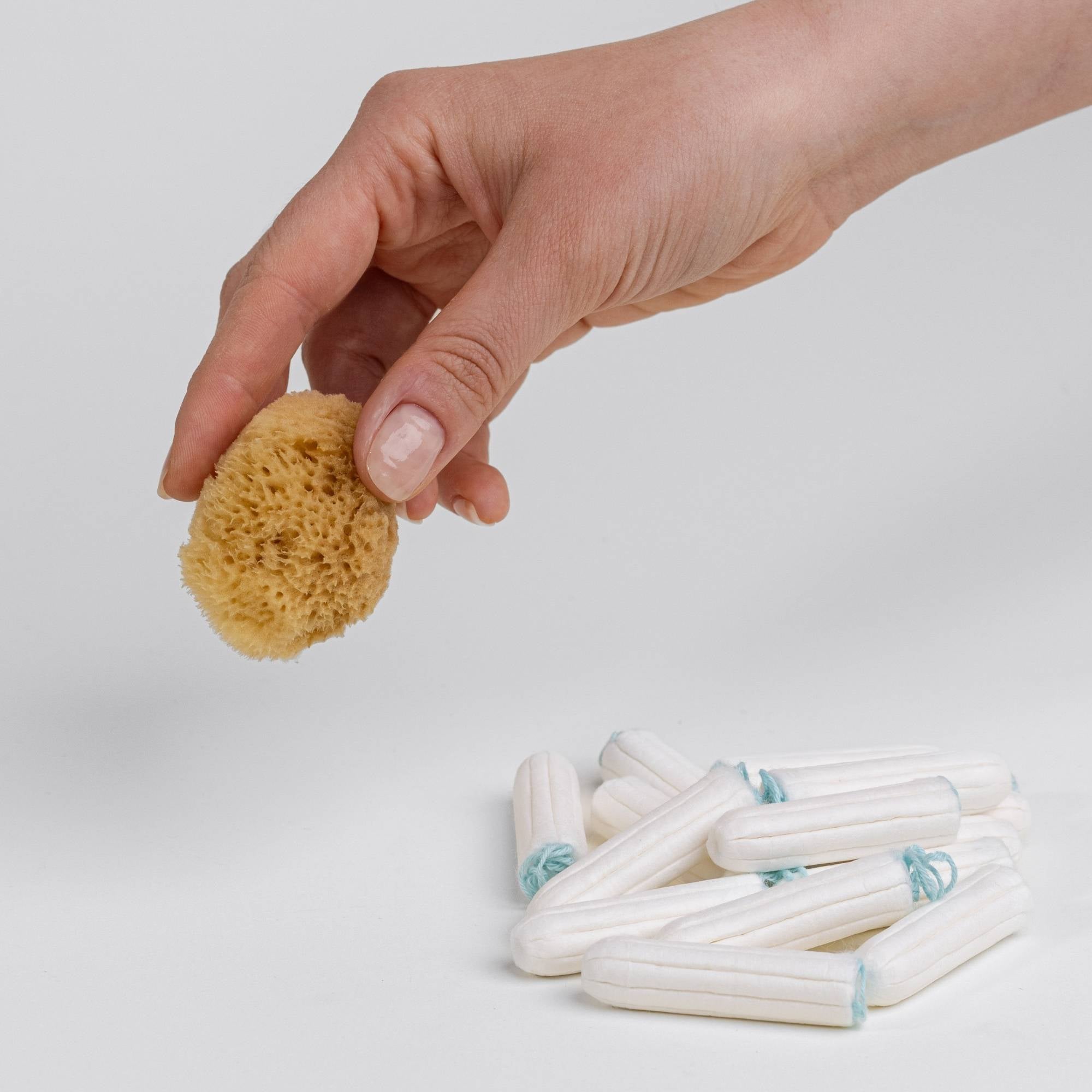
Many women find a soft, flexible menstrual protection product like a menstrual sponge particularly comfortable during these times. It adapts gently and is barely noticeable – an advantage if your stomach is already sensitive.
Our natural menstrual sponges are very soft and malleable, adapt to your body, stay securely in place and do not require a retrieval string.
Conclusion: Diarrhea during menstruation is common and can be treated effectively.
Your menstrual cycle affects more than just your uterus. Your gut also reacts to hormonal changes – sometimes with diarrhea or other digestive problems.
This is unpleasant, but in most cases harmless.
Understanding what's happening in your body allows you to take targeted countermeasures: with a light diet, rest, fluids, and a menstrual product that doesn't add to your stress.
Try out what feels good – and stick with what makes you feel safe.
👉 To the menstrual sponge starter set from HERA Organics
Frequently asked questions about period diarrhea
Is there anything I can do about diarrhea during my period?
Yes. A light, high-fiber diet, sufficient fluids, warmth, and exercise help many people. Stress reduction can also soothe the intestines.
Is it normal to have diarrhea before my period?
Yes, that can happen. Shortly before your period, your body releases prostaglandins – these are hormone-like substances that stimulate uterine contractions. However, they also affect the intestines and can lead to looser stools or diarrhea.
When does diarrhea during menstruation become a cause for concern?
If it lasts longer than three days, is accompanied by fever, pain or blood in the stool, or severely restricts your activities – then it is best to have it checked by a doctor.
Can I use tampons or menstrual cups during diarrhea and my period?
Yes, but pay attention to your body. If you feel sore or sensitive, a soft menstrual sponge might be more comfortable.
Is there a link between endometriosis and digestive problems?
Yes, many women report bowel problems around their period. If you have severe or recurring problems, talk to your gynecologist.
About the author
Florence is responsible for the blog, social media, and newsletter at HERA Organics. She writes about body-friendly intimate hygiene, sustainable period products, and everything that makes the menstrual cycle more natural – honestly, clearly, and without taboos.
Read more
Sea, pool, or lake: Swimming during your period is possible – safely and comfortably. We'll show you the best menstrual products, simple application steps, and smart tips for when you're on the go...
Do you regularly suffer from severe menstrual cramps? You're not alone. But you definitely shouldn't dismiss period pain as "normal." Read on to find out where period pain comes from, when you shou...
