

Sick every month because of my period - Why menstrual leave isn't a luxury break
Every month it's the same story: You drag yourself to work with cramps and nausea, functioning and hoping that nobody notices how bad you actually feel.
Menstrual leave could be the solution.
Facts for those in a hurry
• Menstrual leave is not a vacation, but rather time off in case of severe symptoms
• In Germany, there is no legal regulation for menstrual leave.
• Menstrual leave already exists in Asian countries and Spain.
• Many women fear professional disadvantages from taking menstrual leave
What is meant by the term "menstrual leave"?
Menstrual leave means taking short-term leave in case of severe menstrual pain.
The term "menstrual leave" almost sounds luxurious. As if menstruation were a monthly wellness event for which you simply take a few days off.
In reality, it's about something completely different: about being allowed to take a break when you have severe period pain without having to fake being sick, sacrificing vacation days, or being looked at askance.
And this issue affects more women than you think.
According to surveys, about half of all menstruating women report experiencing such severe period pain that it restricts their ability to work.
Nevertheless, most continue to work because the notion persists to this day that severe menstrual cramps are part of being a woman.
Do you regularly suffer from severe period pain? Then read our article "What helps against severe menstrual pain".
In countries and companies considering "menstrual leave policies," the aim is to recognize that period pain is not a private problem, but a legitimate part of our working world.
Menstrual cycle leave in Germany and Austria? Not available.
In Germany and Austria, there is currently no legally regulated way to take time off work due to menstrual cramps. Anyone experiencing severe pain must officially report sick or endure it with painkillers.
Many women don't dare to speak openly about their symptoms – for fear of not being taken seriously or being considered "too sensitive." The word "menstruation" is rarely heard in everyday office life. This makes the topic of menstrual leave all the more difficult for companies.
This is precisely the real problem: as long as menstruation remains a taboo subject in the workplace, no satisfactory solution will be found.
But there are other ways.
Some startups are already demonstrating that change is possible and offer their employees so-called "period leave" days. Since there is no legal basis for this, the days are counted as normal sick days, but the trip to the doctor and the often unpleasant obligation to explain the situation are eliminated.
Menstrual leave in Switzerland
In Switzerland, more and more cities and municipalities are introducing menstrual leave. The small country is demonstrating how it could also work in Germany and Austria.
Since July 2025, women experiencing severe menstrual pain can take up to 3 days of paid menstrual leave per month without having to submit a medical certificate.
In which countries are menstrual leave still granted?
In Japan, Indonesia, South Korea, Taiwan and some parts of China, menstrual leave has long been a reality – at least on paper.
Japan enshrined in law as early as 1947 the right of female employees to take time off work for menstrual cramps. Indonesia, South Korea, and Taiwan also have official regulations in this area.
In Europe, Spain is currently the only country with a national law: Since 2023, menstruating women there can take up to three days of paid leave per month if they have medically confirmed menstrual pain.
However, menstrual leave is rarely used in Asian countries. The fear of professional repercussions and the shame associated with menstruation are too great, as it remains a social taboo.
A law alone does not change society. Only where companies and teams deal with the issue openly does a space emerge in which those affected can express their needs.
Menstrual leave - pros and cons
Menstrual leave can be a real sign: for more understanding, for self-care and for a working world in which not only performance counts, but also the person.
The term "menstrual leave" is still not a particularly clever choice. If women take a few days of "menstrual leave" every month, it can definitely create a bad atmosphere among their colleagues.
Therefore, many women fear that menstrual leave would be more likely to harm their careers.
In addition to pregnancy, part-time work and sick children, there would be another "risk factor": regular absence due to menstruation.
For some companies, this would be one more reason not to hire women – especially not in management positions.
What does a menstruation-friendly future look like, and what can you do yourself?
A menstruation-friendly working environment begins where we stop ignoring our own bodies.
For companies, this can mean very concrete things: offering flexible working hours, home office options, and quiet spaces. Or simply creating the trust that menstruating women can speak openly about their needs without fear of stigmatization.
Companies that make this possible create far more than just benefits.
If you are self-employed, you already have this freedom, but also the responsibility to truly allow yourself breaks.
Living in harmony with your cycle doesn't mean you should constantly take it easy. It means knowing when you're at your peak performance and when it's better to take it easy.
For example, this could mean scheduling fewer appointments during PMS. Or eating more consciously during your period, going to bed earlier, and planning more breaks.
Hera Organics stands for exactly that: freedom, self-determination and the confidence that your body knows what it needs.
Frequently asked questions about menstrual leave
How can I bring up menstrual leave at work?
The best way is in a personal conversation, calmly and confidently. You can explain how severe period pain specifically restricts you and what kind of relief would help – for example, a day working from home or flexible hours.
Is menstrual leave also conceivable for school pupils or students?
Theoretically, yes – there are initial discussions about how menstruating people can be better supported in the education system. In practice, however, there is still no structured implementation or legal regulation.
What do I do if my symptoms are too severe for everyday life?
If period pain regularly disrupts your life, it's a medical issue – for example, endometriosis or PMS. Have it checked out by a doctor.
Read more
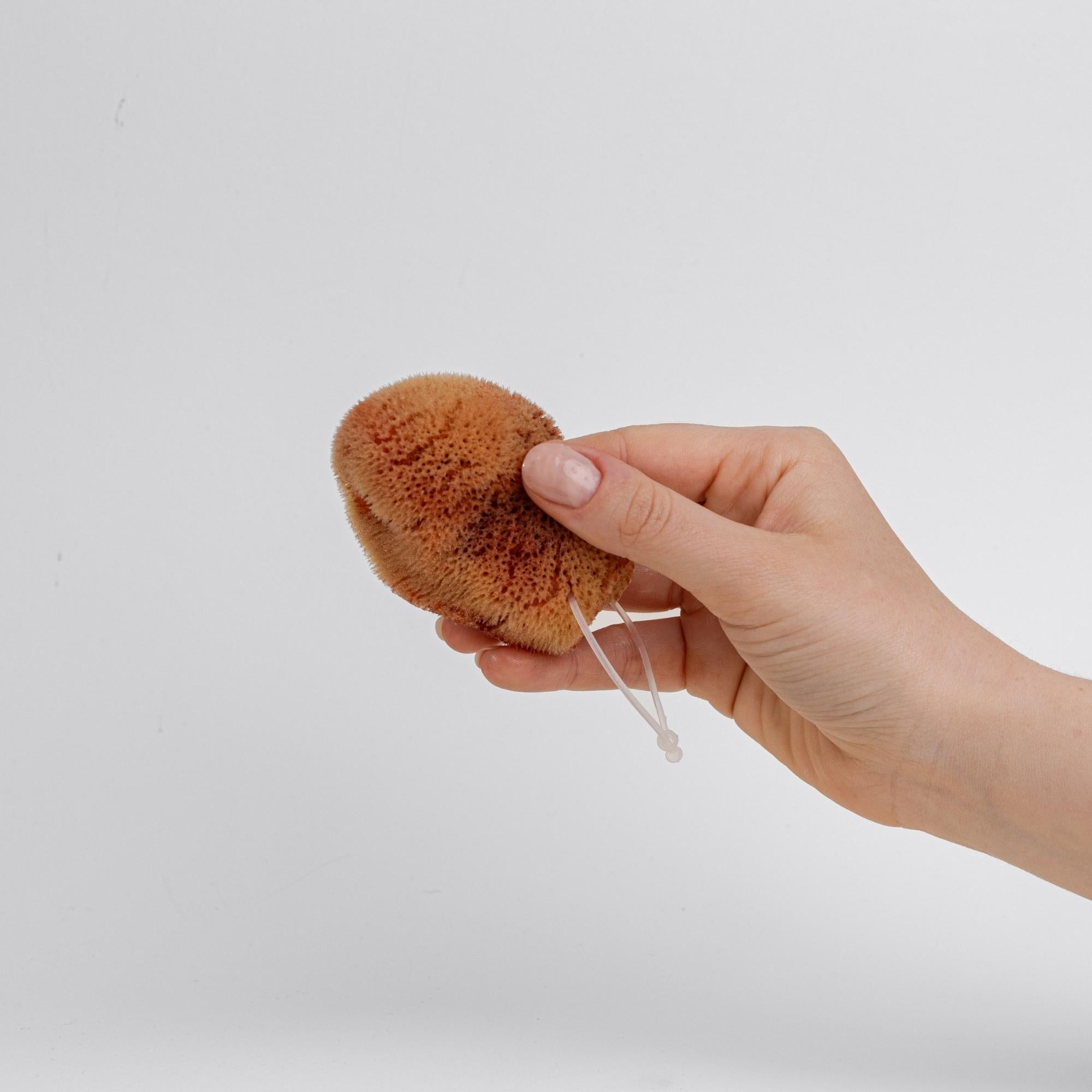
Vaginal dryness also affects many young women. In this article, you'll learn about the causes of vaginal dryness, how to prevent it, and what you can do if you experience discomfort.
Some cycles feel like you're losing liters of blood – but on average it's often only 30 to 60 milliliters. In this article, we'll show you how to realistically assess your blood loss and when a ...
