



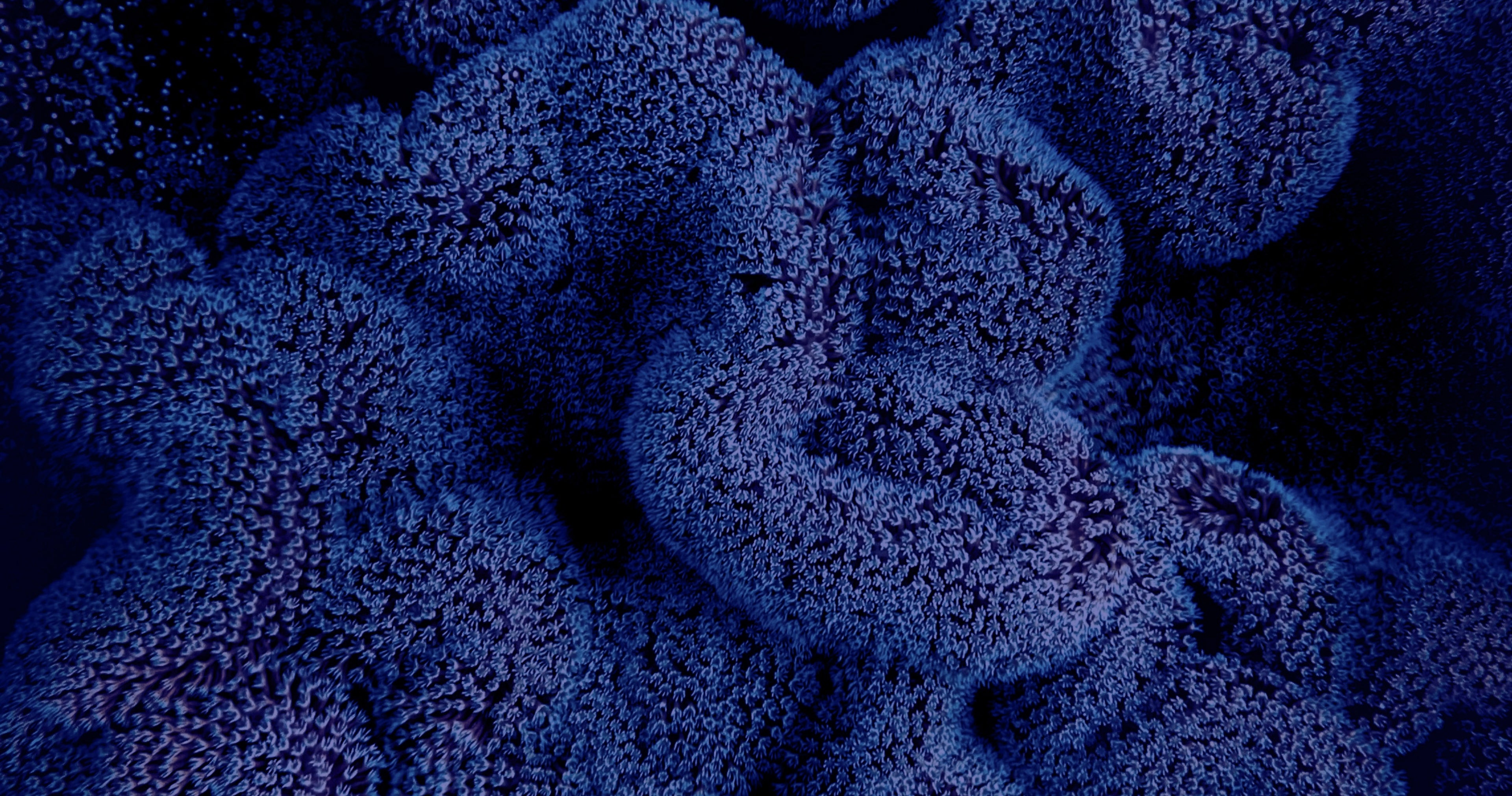
Naturally grown in the sea
harvest
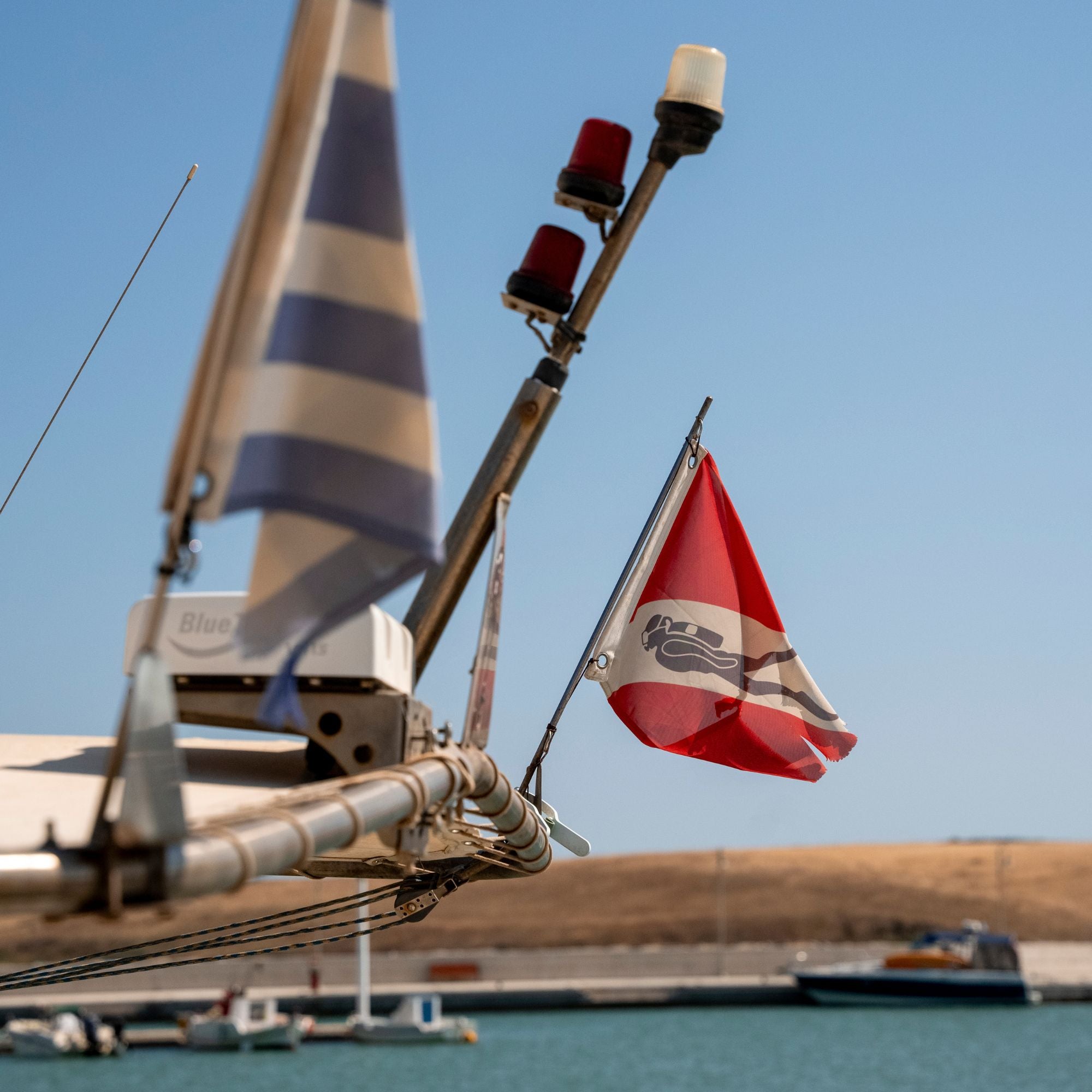
Harvested – with appreciation
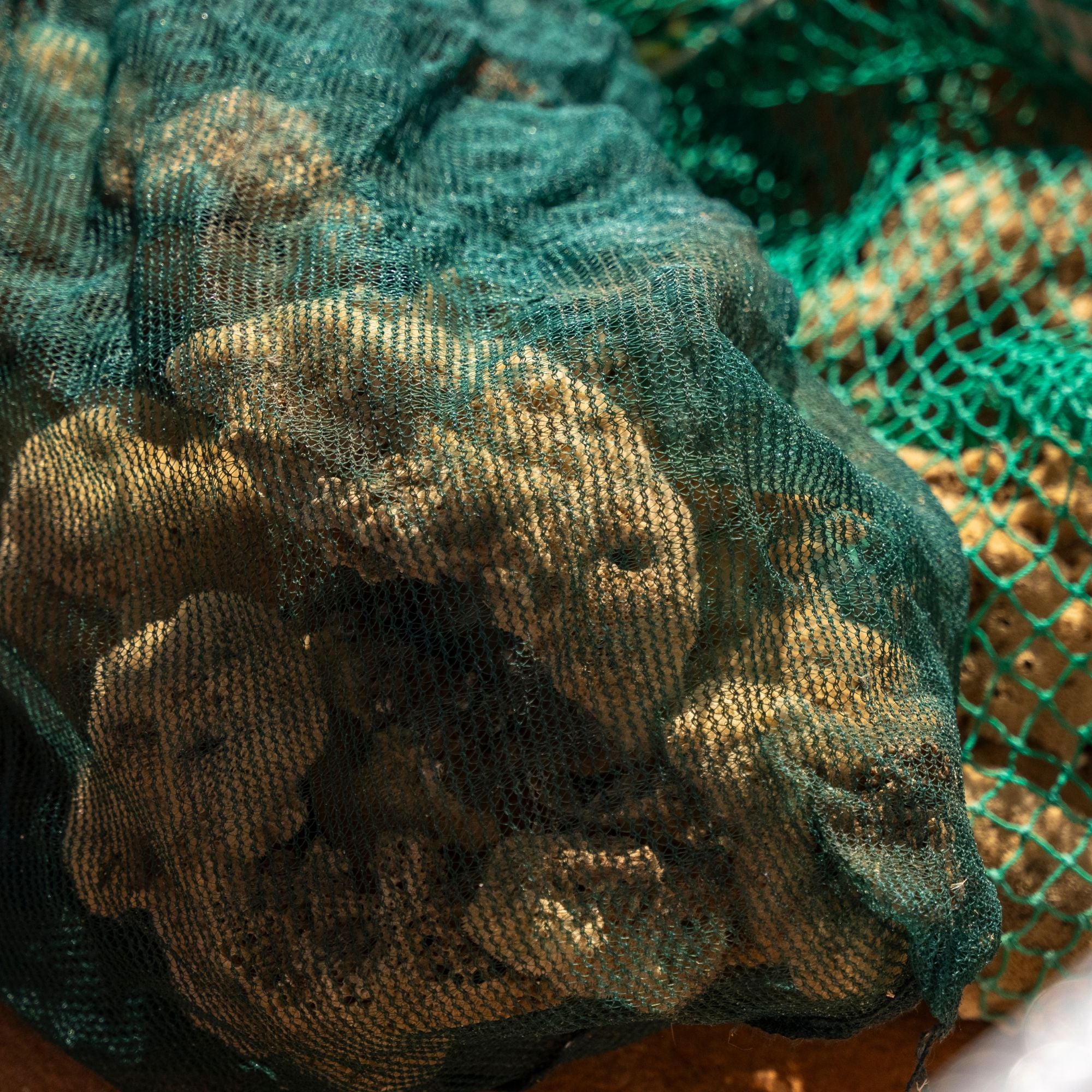
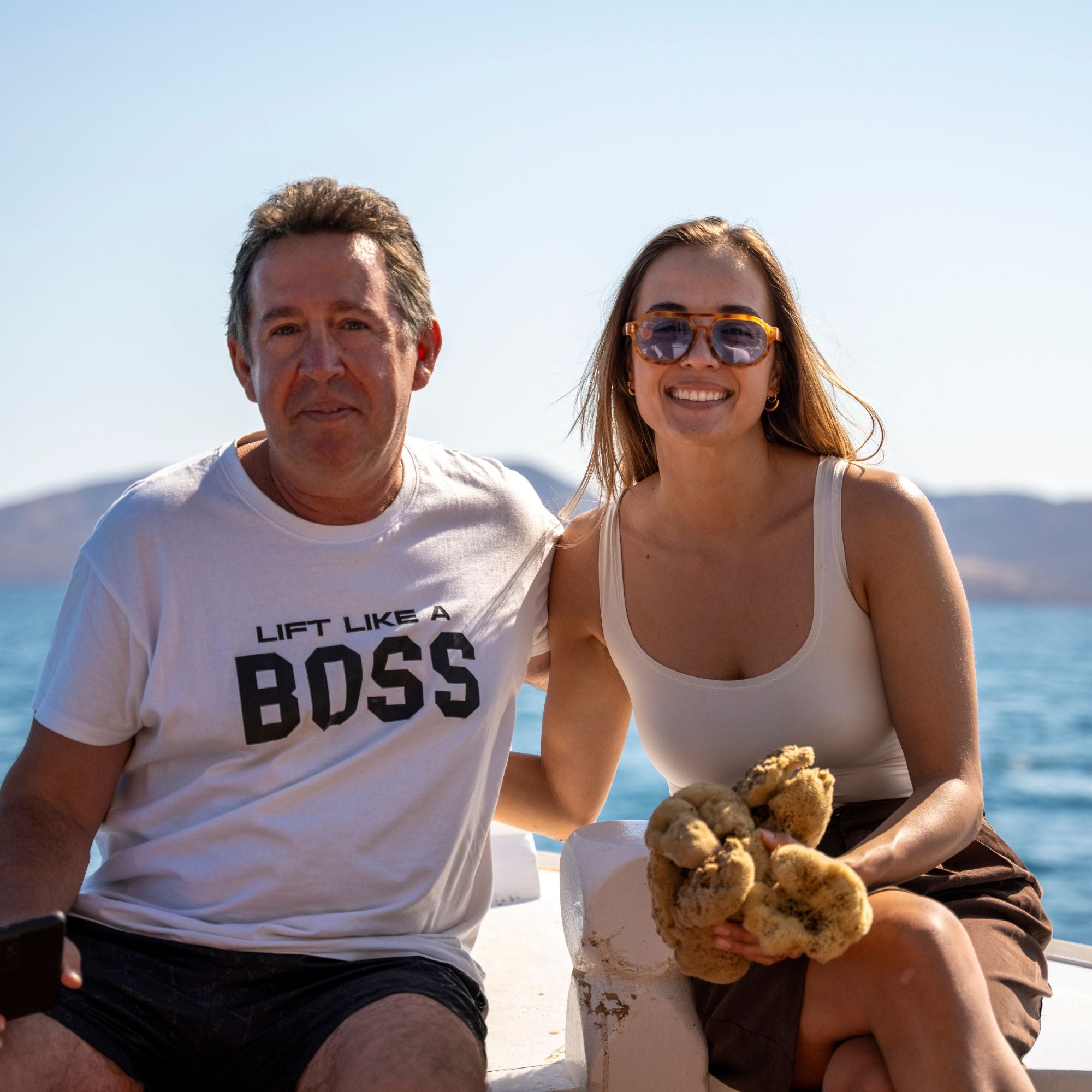
Our sponges come from controlled marine areas and are harvested by hand by licensed divers at depths of 30–40 meters. The sponge's root remains anchored in the rock, protecting the seabed and promoting natural regeneration. Harvesting releases seeds that disperse in the water, stimulating the growth of new sponges.
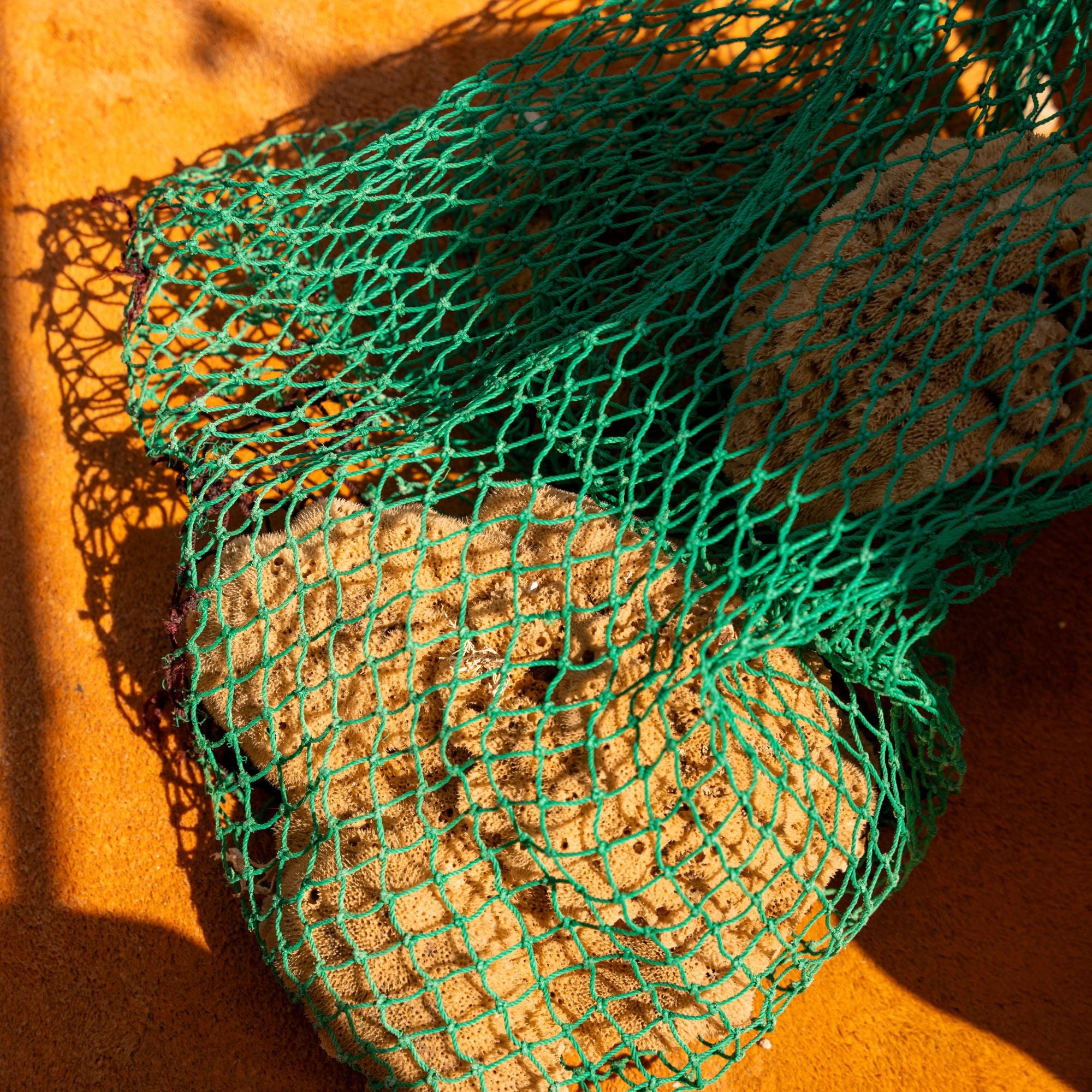
Harvested – only at the right time
The sponges are harvested only during select months – a strict harvesting break is in place from October to May. Nature dictates the pace. This allows the sponges to fully regenerate. The harvested sponges are then cleaned of sand and residue in Greece using purely mechanical methods – without any chemical additives or bleach .

Cleaned & sorted – completely natural
After cleaning, the sponges are sorted, cut, and inspected by hand . Only the finest and softest sponges make it into our product range. The remaining sponges are processed further. Each menstrual sponge is unique in shape, color, and texture. 100% natural, not mass-produced.
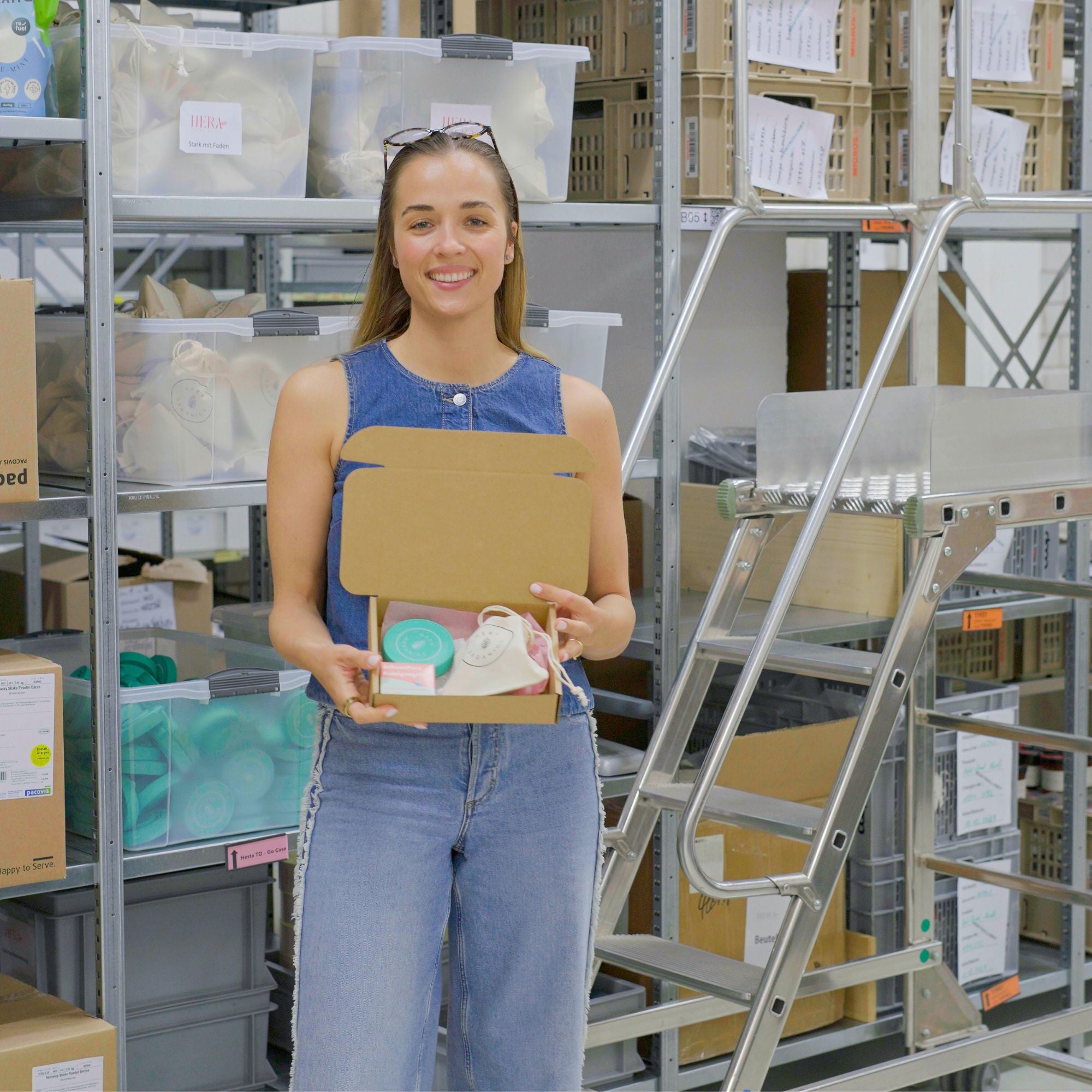
Packed with love in Switzerland
After sorting, the sponges travel to Switzerland. There, in cooperation with the Arwo Foundation, they are packaged by people with disabilities in social workshops. They receive their hygiene sachet, label, and final shape there. This ensures your sponge arrives with love, care, and a clear social benefit.
“We have been working with the sea for three generations. Sponges are part of our lives – and we protect them so that our children can still work with them.” – Jorgos, sponge diver from Kalymnos
A small sponge with a big impact
Menstrual sponges are not plants – but ancient, multicellular marine organisms. They are among the oldest life forms in the world and have no nervous system, no heart, no brain. And yet they are highly functional: their fine pore structure makes them particularly absorbent, flexible and soft – perfectly suited for menstruation.
Of the more than 10,000 known sponge species worldwide, only a few are suitable for menstruation. HERA uses a special, fine-pored sponge from the Mediterranean Sea that grows at depths of 30–40 meters – where the water is clear and clean. Our sponges are 100% natural and adapt to your body naturally. No plastic. No waste. Just pure nature.
Out of 10,000 species – one for you
Our sponges grow along the Levantine coast in clear, strictly controlled marine areas. At depths of 30 to 40 meters, they thrive, developing particularly fine pores – perfect for your body. Harvesting is done by hand by certified divers who remove only the upper part of the sponge. The root remains firmly embedded in the rock, allowing the sponge to release seeds that disperse in the water and promote the growth of new sponges.
Sustainability for us also means patience: there are often more than seven months between harvests to allow the stocks to regenerate. After harvesting, the sponges are mechanically cleaned – entirely without chemicals – and pre-sorted by hand. Only the softest, finest-pored specimens make it into our product range. The rest are further processed – nothing is wasted. Each sponge is a true, unique piece of nature.
A family business with history
Our sponges come from a small, family-run diving business, now in its third generation. Here, the knowledge of sponge harvesting has been passed down for decades – and practiced with respect for nature. The goal: to harvest only as many sponges as nature can regenerate.
After harvesting, the sponges are cut, sorted, and gently cleaned in Greece – without bleach or artificial color brighteners. Their golden-beige color is natural. They then travel to Switzerland, where they are lovingly packaged in sheltered workshops run by the arwo foundation. There, people with disabilities work and make each package something special.
Every sponge tells not only a natural history – but also one of genuine social responsibility.

harvest

Controlled harvesting areas
Our sponges come exclusively from clear, strictly monitored marine areas in Greece. Only certified divers with a license are allowed to harvest them there.
Sponges grow back
When harvested, the root remains anchored in the rock – this stimulates the sponges to release seeds, from which new sponges develop. A natural regeneration process.
Long harvest breaks
Nature sets the pace: there are often more than seven months between harvests to allow the crops to fully recover. Sustainability means patience.
Packaged in Switzerland
After harvesting, the sponges are packed by hand in Switzerland. The packaging is done by people with disabilities in the workshops of the Arwo Foundation.
Salty News
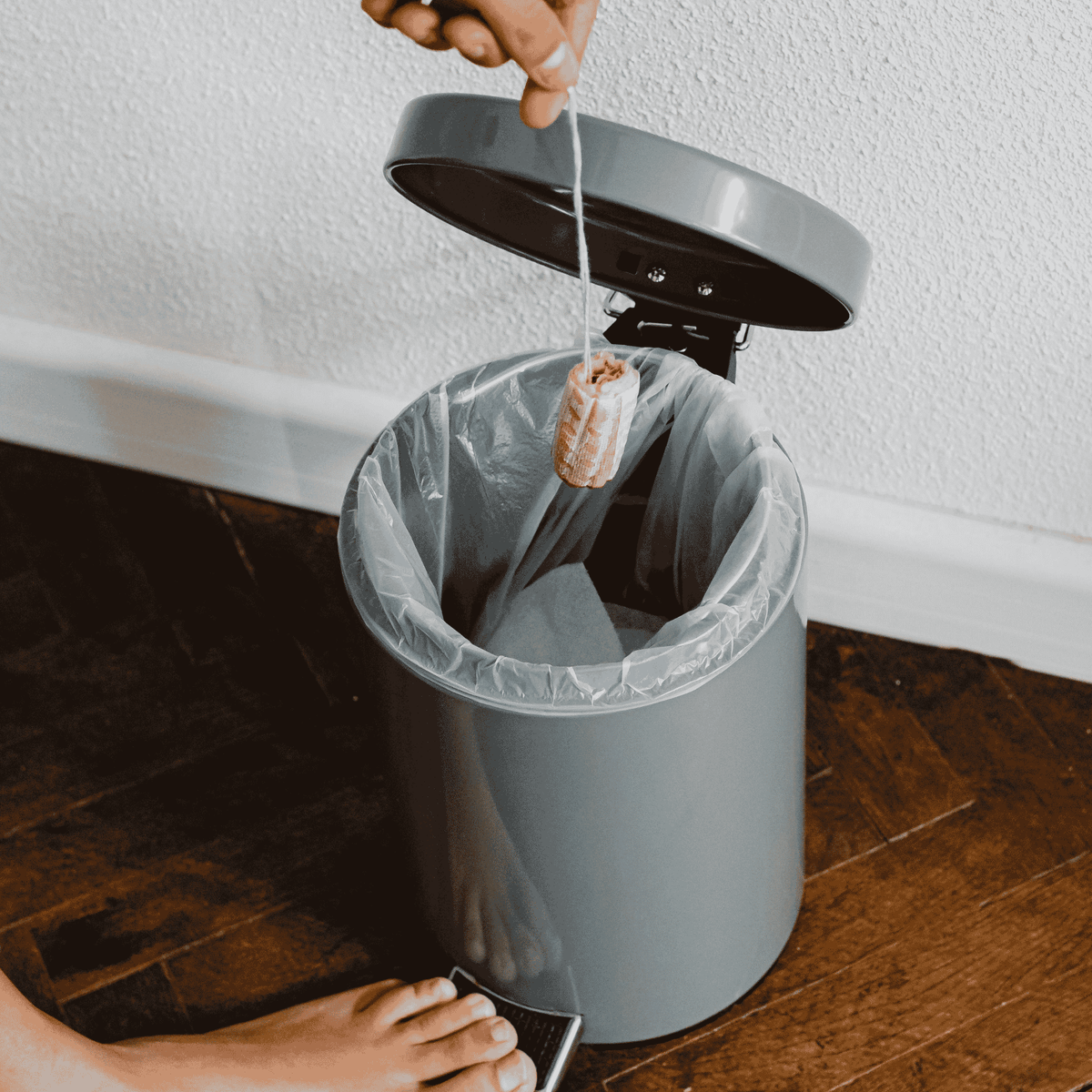
Do you know how much waste is generated by tampons and pads? Over a lifetime, that adds up to 10,000 to 17,000 items. We’ll show you exactly how much period waste you can save with a period sponge,...
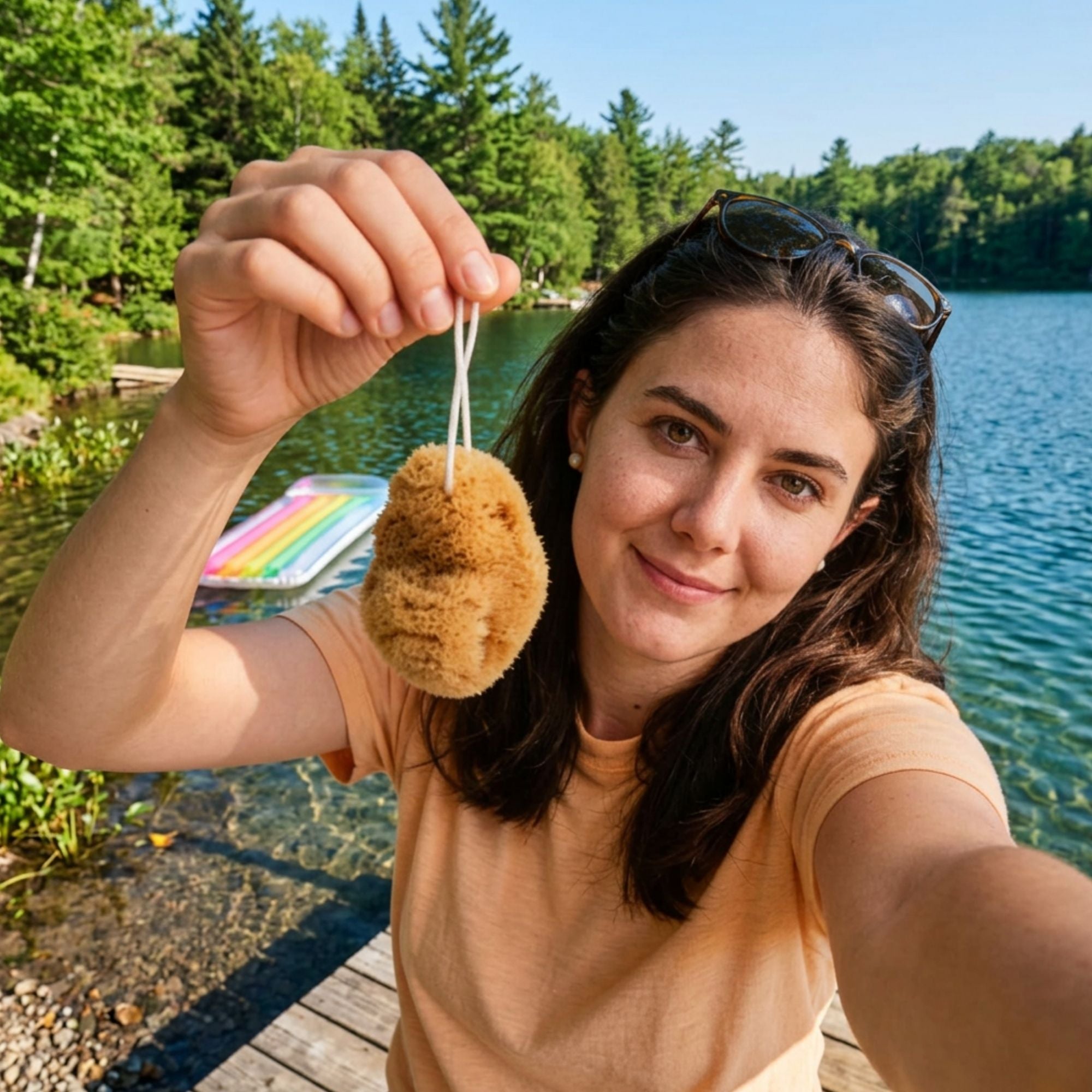
Outdoor pool, lake, or sea – your period doesn't have to stop you. We'll show you why the menstrual sponge is the best choice for swimming, what to consider for cleaning after bathing, and why the ...

For deep cleaning of the menstrual sponge, we offer our cleaning tablets – but until now, there was nothing for interim cleaning. So we developed it: the HERA 2in1 Intimate & Sponge Soap. Simpl...
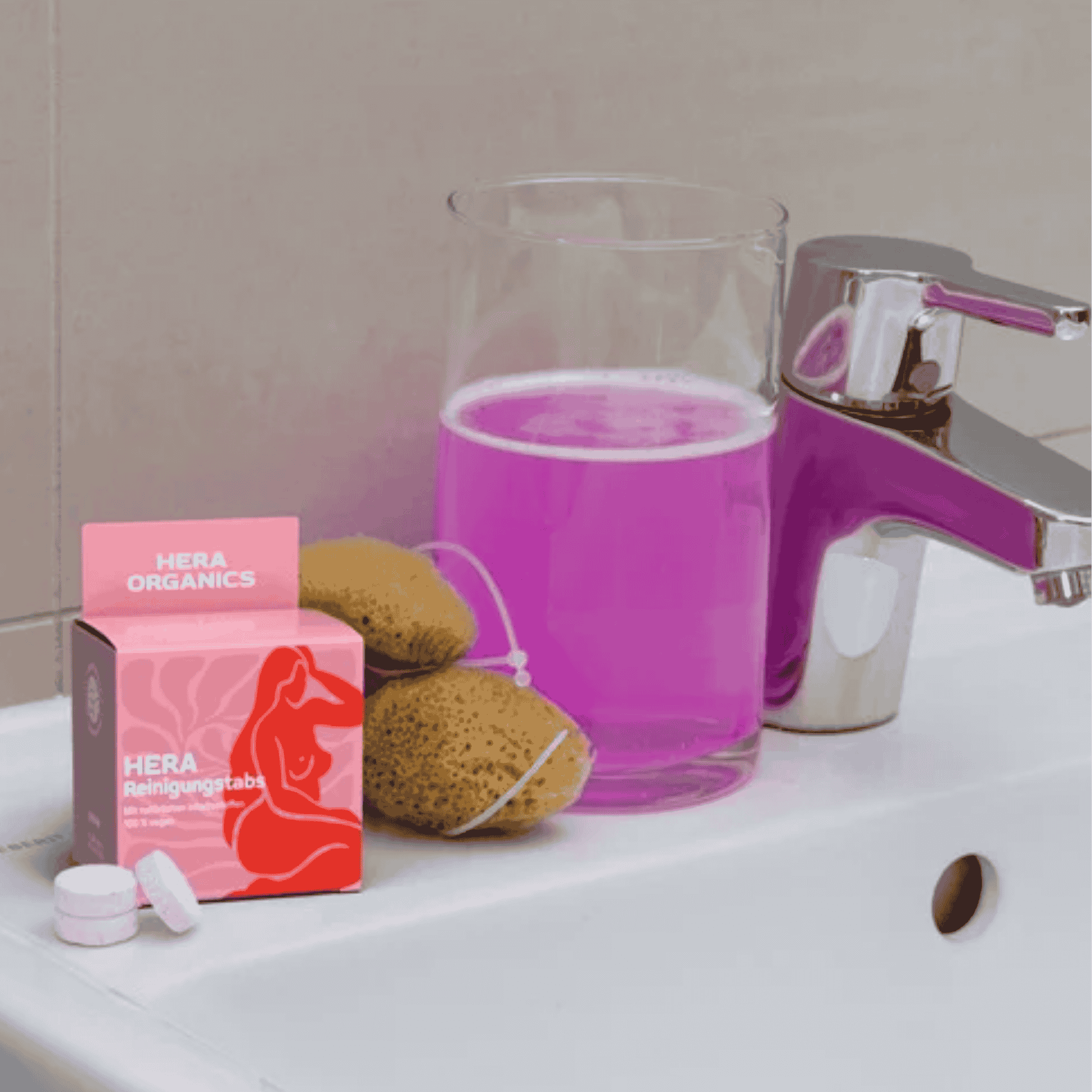
A menstrual sponge needs a cleaning you can rely on. Traditional methods like vinegar often clean insufficiently and are cumbersome in everyday life. Modern solutions today make it easier to combin...

FAQs
The most important questions answered quickly:
 How are the sponges harvested?
 How are the sponges harvested?
Our sponges are harvested by hand by experienced divers. The sponge is not completely uprooted, but only cut above the base. This leaves the root in the sea, preventing damage to the ecosystem.
Do the sponges grow back after harvesting?
Do the sponges grow back after harvesting?Yes, sponges are fascinating marine organisms that regenerate themselves. Studies even show that they regrow healthier after harvesting, as they release seeds in the process that stimulate the growth of new sponges. Thus, harvesting not only ensures regeneration but also the propagation of sponges.
Is the harvest sustainable?
Is the harvest sustainable?Yes, harvesting is strictly regulated. There are clearly defined, licensed areas and long harvest breaks of seven months per year to allow the stocks to fully recover. This maintains the natural balance in the ocean, and the sponges can regenerate for generations to come.
Are the sponges treated with chemicals?
Are the sponges treated with chemicals?No, our sponges are not treated with harsh chemicals. After harvesting, they are thoroughly rinsed with water and then cleaned in a traditional bath with sodium carbonate (soda) – a natural mineral compound also found in households, for example as an ingredient in baking powder. This keeps the sponges hygienic, soft, and 100% natural.