



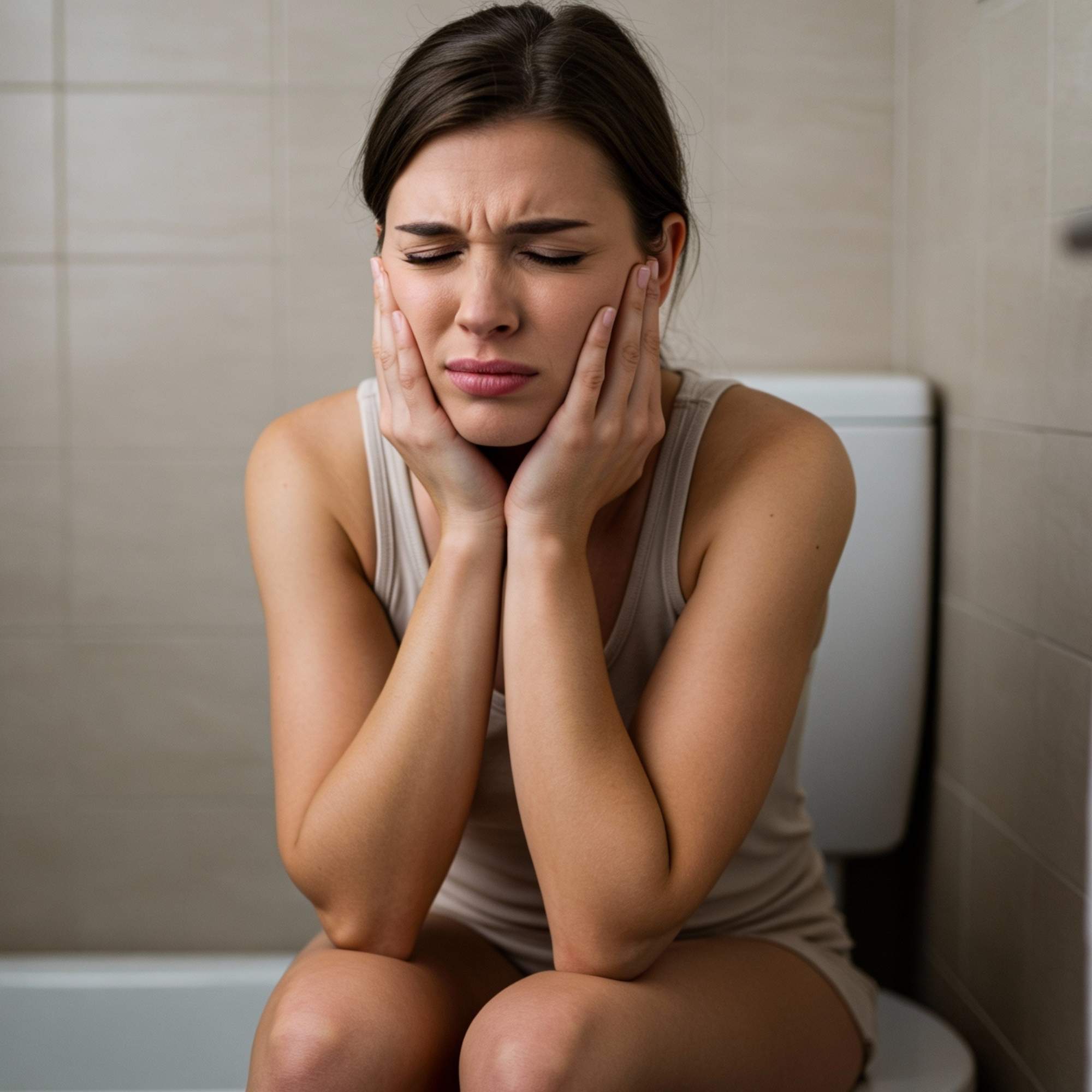
Period and bladder infection at the same time? Ouch! Causes and what you can do
You might be familiar with this: your period has just started – cramps in your lower abdomen, energy levels are low. And then there's that unpleasant burning sensation when you urinate. A bladder infection during your period? Unfortunately, it's not uncommon.
Many women experience exactly this: period and bladder infection at the same time – and wonder why both occur together. Here you'll learn what the reasons might be, how to distinguish between the symptoms, and what really helps when you're experiencing cramping, burning, and other discomfort.
Facts for those in a hurry
• Cystitis is more common during menstruation.
• Causes include hormonal fluctuations, humidity and hygiene
• Typical symptoms: burning sensation during urination, frequent urge to urinate, altered urine odor
• Friction during sex can cause small injuries, making it easier for bacteria to enter.
• Heat, fluids, and gentle care products alleviate discomfort
• In case of severe symptoms, a medical examination and, if necessary, medication should be prescribed.
What is a bladder infection?
A bladder infection (medically known as cystitis) is caused by bacteria that enter the urethra and bladder. Most often, these are E. coli (Escherichia coli) bacteria. These are intestinal bacteria that naturally occur in the human digestive tract – where they are harmless. However, if they enter the urinary tract, they can cause inflammation.
Typical symptoms of a bladder infection are:
-
Burning sensation when urinating
-
Frequent urination, often with only a small amount of urine
-
Pressure in the lower abdomen
-
Cloudy or reddish urine
-
Changes in the color or smell of urine
Why do I get a bladder infection during my period?
Many women report frequently getting bladder infections, especially during menstruation. There are several plausible explanations for this:
-
Reduced mucosal protection : When estrogen levels drop, the intimate flora becomes more susceptible.
-
Hygiene hazards : Bacteria can be accidentally transferred when changing tampons/pads.
-
Increased moisture in the intimate area creates an ideal climate for germs.
Sex can also be a common cause of bladder infections – especially if you're not sufficiently lubricated or if it was very intense. Friction can cause tiny injuries. These small tears in the skin allow bacteria to enter the urethra. The risk increases further if you have sex right before or during your period, as the mucous membranes are more sensitive at this time.
Some people suspect that menstruation itself causes cystitis. This isn't true: Menstruation doesn't cause infection, but it can create an environment in which bacteria multiply more easily.
How can I tell the difference between my period and a bladder infection?
Many symptoms feel similar: cramps, pressure in the lower abdomen, general discomfort. That's why it's so important to pay close attention to your body. You can recognize a bladder infection primarily by symptoms that go beyond typical period discomfort – such as a strong burning sensation when urinating or a constant urge to urinate without noticeable emptying. An unusual odor or color of the urine can also be a warning sign.
Typical menstrual symptoms like cramps, fatigue, or mood swings are usually more widespread and change over the course of the day. If you're unsure, talk to your doctor. A bladder infection is easily treated – if caught early.
What helps against a bladder infection during menstruation?
If you have a bladder infection during your period, small, active steps can help relieve the symptoms and support the healing process:
-
Drink plenty of fluids , preferably still water or bladder teas.
-
Keep your lower abdomen warm , e.g. with a hot water bottle.
-
Urinate as soon as you need to – stagnant urine promotes bacterial growth
-
Cleanse the intimate area with water , avoid harsh products.
-
Change menstrual products regularly
Especially when you're feeling physically unwell and experiencing pain, it's particularly important to choose a menstrual product that won't cause further irritation. The menstrual sponge from HERA Organics can be a good choice: It's exceptionally soft and flexible, adapts to your body, and feels comfortable even on sensitive mucous membranes. Because it's a purely natural product, it provides gentle support – especially on days when you're already feeling stressed.
Here you can find out more HERA Starter Set
If you experience more severe symptoms, you should definitely seek medical advice. In some cases, medication is advisable – for example, an antibiotic if the inflammation doesn't subside on its own or worsens.
What can I do to prevent a bladder infection?
Especially around the time of your period, there's a lot you can do to reduce the risk:
-
Drink enough fluids daily (at least 2 liters)
-
Wear cotton underwear and pay attention to breathable clothing.
-
Go to the toilet after sex to flush out germs.
-
Pay attention to toilet hygiene : wipe from front to back.
-
Use gentle products that do not dry out the mucous membranes.
-
Cranberry juice or capsules can help make it more difficult for bacteria to adhere to the bladder wall (especially for prevention – not a substitute for medical treatment)
When should I see a doctor if I have a bladder infection and my period?
Immediately, if:
-
You get a fever
-
Blood in the urine (not explainable by menstruation)
-
The pain increases significantly.
-
You feel generally ill
For recurring bladder infections around your period, talking to your doctor often helps. There may be an underlying hormonal or bacterial cause that can be treated.
Conclusion: Having your period and a bladder infection at the same time is unpleasant – but you can do something about it.
Having your period and a bladder infection at the same time is not uncommon – but it's one that can be particularly challenging. That's why it's so important to know your body well, react to symptoms early, and give it what it needs: rest, fluids, warmth, and the right products.
A conscious awareness of your body and body-friendly menstrual and hygiene products help you feel more confident even on difficult days – and better prevent inflammation.
Tip: Click here to go to HERA Menstrual Sponge Starter Set
FAQs
Can I get a bladder infection from sex during my period?
Yes. Cystitis caused by sex during menstruation is not uncommon. Friction, insufficient lubrication, and more sensitive mucous membranes can make it easier for bacteria to enter.
Does going to the toilet after sex really help prevent a bladder infection?
Yes. Bacteria can get near the urethra during sex. When you go to the toilet afterwards, you flush them out with your urine – this reduces the risk of them causing an infection.
Which menstrual products are suitable for cystitis?
Use the softest, most body-friendly menstrual products possible that won't further irritate your mucous membranes. If tampons or cups feel uncomfortable, switch to a product that suits your body better.
What to do if you have a bladder infection during your period?
Drink plenty of fluids, keep your lower abdomen warm, maintain good hygiene, and use products that don't dry out your mucous membranes. This often helps to alleviate cystitis during menstruation .
When should I see a doctor for a bladder infection?
If your symptoms persist, worsen, or if you experience fever, pain in the kidney area, or blood in your urine, consult a doctor. This also applies if you regularly get a bladder infection during your period .
Read more

Your menstrual cycle consists of four phases – menstruation, follicular phase, ovulation, and luteal phase – each of which affects your body, energy, and mood differently. Understanding these phas...

With the menstrual sponge, you can manage your period naturally and stress-free, even on the go. It's soft, absorbent, and adapts to your body – without creating waste or drying out. With a fresh...
