



The best alternatives to tampons: How to find your perfect period companion
Tired of tampons? You're not alone.
Not all periods are the same: sports, travel, end of cycle or postpartum.
Your life is changing, and with it your period, your daily routine, and your values.
Naturally, your period products can change too. Here you'll find an honest overview of possible tampon alternatives – with tips on comfort, care, and sustainability.
You can read more about why tampons aren't always the best choice here:
Are tampons dangerous? A closer look at the most popular menstrual product.
What are some alternatives to tampons?
The selection of tampon alternatives is now really large, and there is a suitable product for every menstruating woman.
Ultimately, as is so often the case, the choice comes down to personal taste, and every alternative has its advantages and disadvantages.
The good news is: you don't have to commit to one thing. You can experiment and even combine two products if that makes you feel more comfortable.
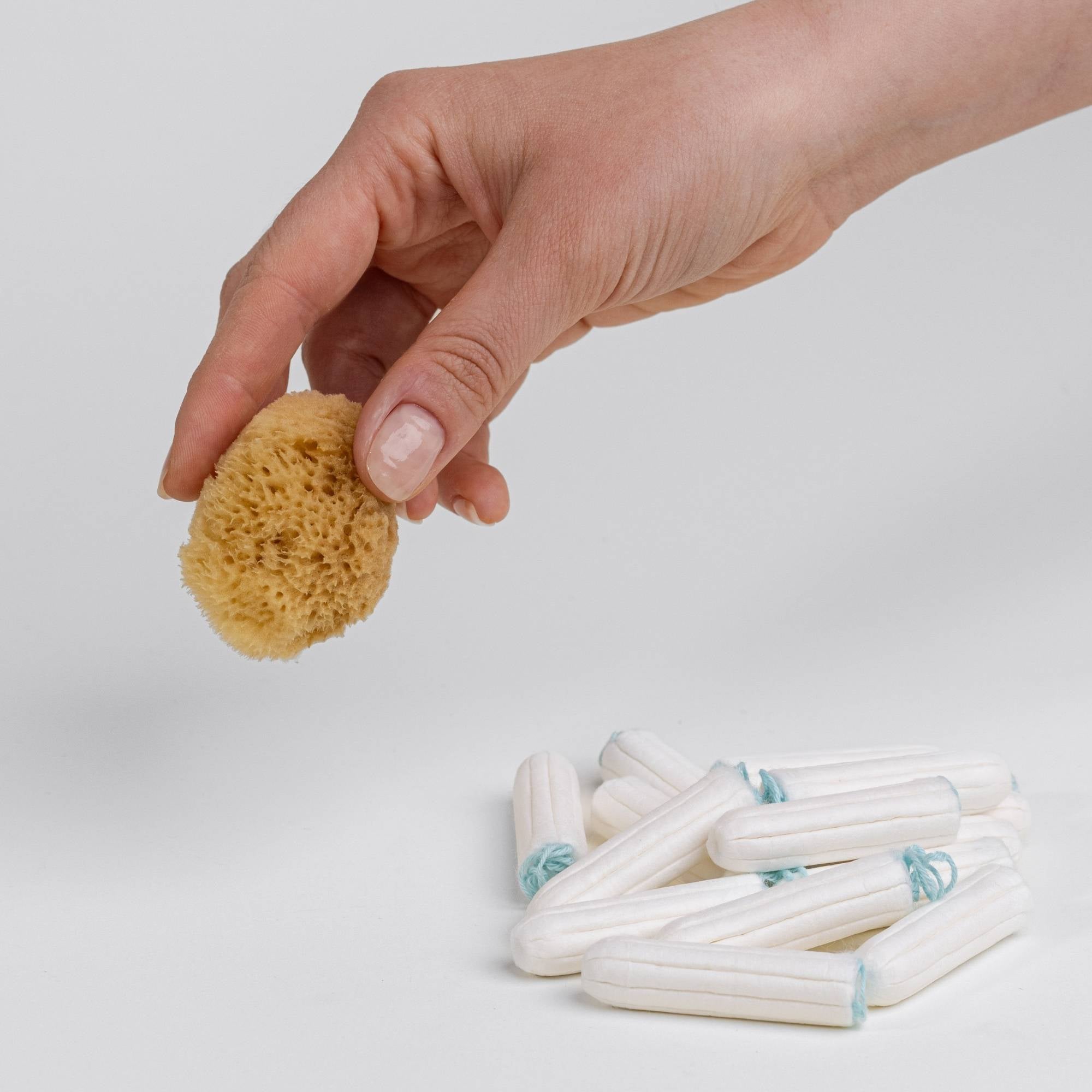
The menstrual sponge as a 100% natural tampon alternative

The menstrual sponge is the most natural alternative to tampons, pads, etc.
Our HERA Organics sponge is a 100% natural product and maintains the natural moisture of your vaginal mucosa. Whether during sports, at the spa, or even during menstrual sex – the sponge is comfortable to wear and feels like a second skin.
The environment will thank you too. The sponge can be reused up to three times, replacing up to 250 single-use products per year.
Afterwards, the sponge can simply be disposed of in the organic waste bin, making it not only natural but also a zero-waste product.
To use, the sponge is lightly moistened and inserted with the fingers. Depending on the heaviness of the period, the sponge can be worn for up to 8 hours.
After wearing it, simply rinse the sponge thoroughly with water and insert it again.
After the cycle, the sponge is cleaned with a cleaning tablet, dried, and stored in the hygiene bag until the next period.
Are you often on the go or traveling? We thought so. That's why we developed a super practical to-go case. Simply store the sponge in the case and clean it thoroughly as soon as you get home.
If you love naturalness and uncomplicated handling as much as we do, our HERA Organics sponge is worth a try.
Click here for our starter set.

Soft tampons:
Soft tampons are the most obvious tampon alternative for many: string-free, pleasantly soft and hardly noticeable in everyday life.
Unlike traditional tampons, these lack a retrieval string. Many women find this a major advantage: nothing dangles out when using the toilet or showering, and nothing gets wet.
Furthermore, the soft tampon, like the menstrual sponge, can be used during sex.
Removing it without a retrieval string may feel unusual at first, but it works reliably after a few tries.
Instead of compressed cotton, the soft tampon is made of synthetic foam and absorbs blood like a regular tampon. However, because the soft tampon is synthetically produced, it absorbs not only blood but also moisture from the body. Therefore, as with traditional tampons, women frequently complain of vaginal dryness and mucosal irritation.
One drawback of the soft tampon: With each use, residual waste is created and the ecological footprint remains higher than with reusable solutions.
Menstrual cup
The menstrual cup is a soft cup made of medical-grade silicone. It collects blood in the body without drying out the mucous membrane.
If chosen correctly, you'll barely feel the cup and, even with heavy bleeding, you'll have several hours of peace. Depending on your flow, you can wear the cup for up to twelve hours.
Next, gently squeeze the base with two fingers – this releases the suction and allows you to slowly remove the cup. You can shorten the stem if needed.
The first attempts require some patience, but maintenance is very simple.
Rinse with water after each emptying and boil or disinfect according to instructions at the end of the cycle. Then store in a dry, well-ventilated place.
A single mug often lasts for several years, replacing many disposable products. At the end of its life, it is disposed of with regular household waste.
Important to know: The fit is crucial. If the size or material is not optimal, the cup may pinch or leak.
Period underwear
Period underwear - isn't that disgusting?
Period panties are worn like regular underwear, and the absorbent layers wick blood away, keeping the surface dry. Depending on the flow, the panties can be worn for up to 12 hours.
Especially at night or towards the end of the period, when insertion generally feels more uncomfortable, period panties can be a great alternative to tampons.
Used briefs are rinsed in cold water before being washed in the washing machine at a maximum temperature of 30-40 degrees.
Depending on the brand, period panties last for about 40 to 100 washes – this corresponds to about 1.5 to 3 years with monthly use.
One drawback remains: Although reusable products generally perform better than disposable ones, the briefs still have to be disposed of via residual waste at the end of their life.
Good to know: Many women like to combine period underwear with an embracing period product on particularly heavy flow days . This keeps everything secure and you don't have to worry about blood in your panties.
Conclusion: Find your perfect cycle solution
There is no single solution, but there is your perfect solution.
Take your time to test things out and stick with what feels right for you.
The environment and your wallet will thank you if you opt for reusable period products.
If you want more naturalness during your period, try our HERA Organics sponge: 100% natural, comfortable to wear and zero waste.
Click here for the menstrual sponge.
Safety notice
This article is not a substitute for medical advice. If you experience pain, unusual odor, fever, or persistent irritation, consult your gynecologist.
Frequently asked questions about tampon alternatives
What are the disadvantages of tampons?
Conventional tampons quickly dry out the mucous membranes, leading to vaginal dryness and irritation. Many tampons also contain irritating fragrances. Independent studies have detected small amounts of toxic ingredients.
What should I do if I don't have a tampon?
A clean cloth pad or folded toilet paper is okay in an emergency – but only for a short time. You shouldn't use cotton balls from the first-aid kit: they dissolve easily, aren't sterile, and can cause irritation or infection.
How do I find the right size for menstrual products?
Pay attention to information regarding flow and body type. Many manufacturers offer size guides. For menstrual cups or sponges, a starter set can help you try out different options.
Can I use tampon alternatives while playing sports or swimming?
Yes. Menstrual cups, sponges and soft tampons are well suited for sports and swimming.
What should I do if I find it difficult to insert period products?
Try it in a relaxed position, such as squatting. Use some water or water-based lubricant. Sometimes it helps to choose smaller products or softer materials.
Read more
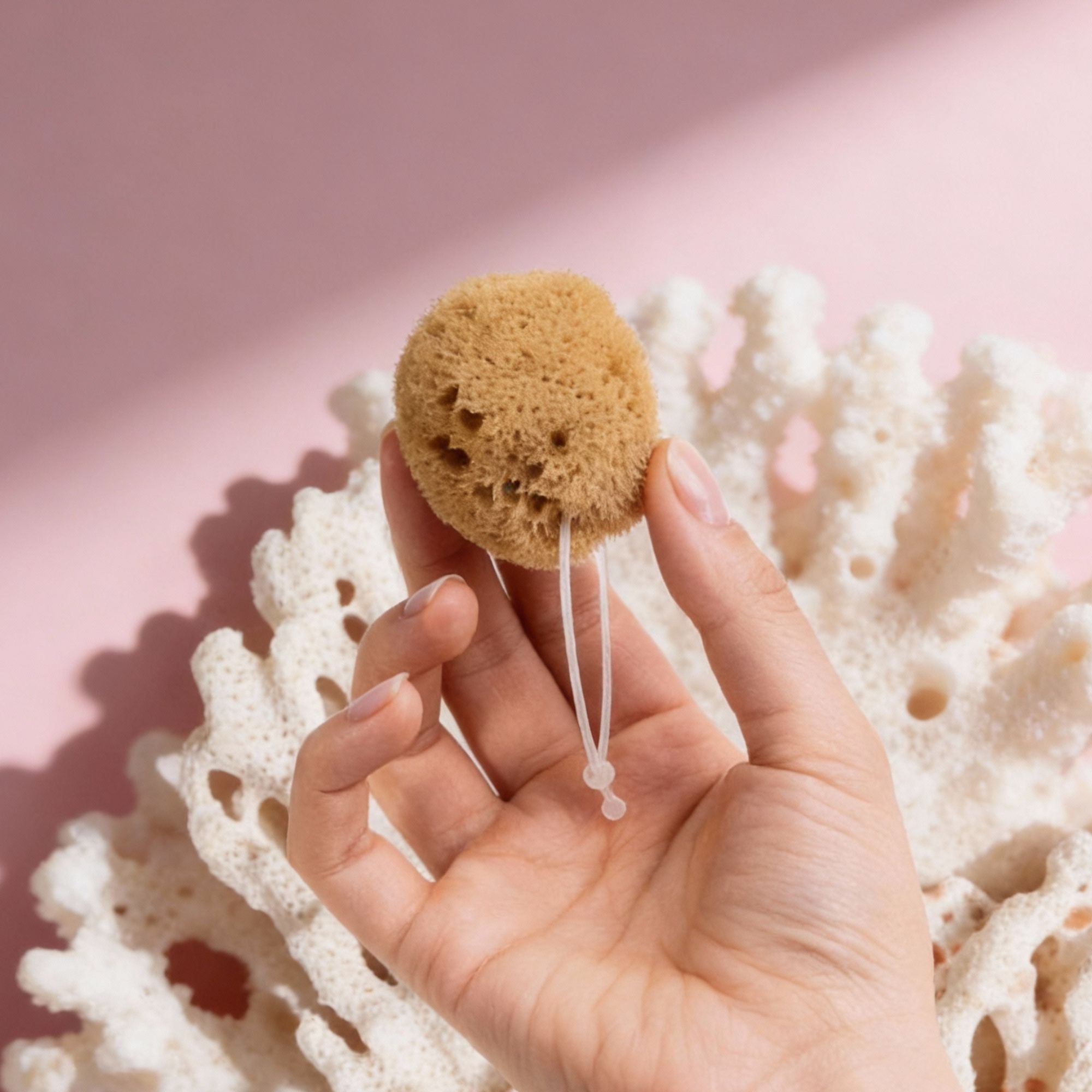
Curious about menstrual sponges? Soft, zero waste, no dry mucous membranes, and barely noticeable during period sex. Here's how to use, clean, and choose the right size.
Is period sex a taboo subject? Not with us. Here's how to make sex during your period relaxed and intense.
