



Severe menstrual pain: How to get through your period comfortably.
Many women experience pain during their period that goes far beyond mild cramping. If your stomach cramps, you'd rather retreat to bed, and painkillers become routine – you're not alone.
But what is behind these intense symptoms? And how can you alleviate them in a gentle, body-friendly way?
Facts for those in a hurry
• Severe period pain is often caused by hormone-related cramps.
• There are primary and secondary causes of period pain
• Medical evaluation is important in case of severe or unusual symptoms.
• Warmth, exercise, and a conscious diet help many people immediately.
Sleep, stress, and nutrients influence how strongly you perceive pain.
• Cycle tracking strengthens your body awareness and reveals connections
What could be the cause of severe period pain?
Severe menstrual pain is often caused by hormonally induced cramps. In some cases, there are also underlying organic causes.
The important thing is: You don't have to accept it.
During your period, your body produces more prostaglandins. These tissue hormones cause the uterus to contract in order to shed the lining. This leads to the typical cramps – the more prostaglandins, the stronger the pain.
Good to know: There are two types of period pain: primary and secondary.
Primary menstrual cramps occur without any identifiable physical cause. They are often hormonally related and usually begin in the first few years after the first period. Many women experience them regularly – especially in the first few days of menstruation.
Secondary period pain occurs when there is an underlying condition in the body that intensifies the pain – for example, endometriosis, fibroids, or inflammation. Such causes can be medically diagnosed and treated effectively.
A widespread belief: "Pain is just part of menstruation."
Yes, many women suffer from this – but: severe pain should not be considered normal. Your body is telling you something is out of balance.
If you feel like you can no longer "function", it's worth taking a closer look.
When are period pains no longer considered "normal"?
If you can barely move during your period, painkillers have no effect, or you are regularly on sick leave – then it's time to take a closer look.
Severe pain is a warning sign. If you feel you can barely concentrate on work, daily life, or leisure activities during your period, you should take it seriously.
You should seek medical advice if, for example, you experience symptoms for several days.
- severe cramps
- foul-smelling or particularly heavy bleeding
- Back pain
- You have pain during bowel movements or sex.
Nausea, circulatory problems, or pain radiating into the legs or back can also be signs that there is more to it.
In such cases, endometriosis or another physical cause may be present. The sooner you have it checked out, the better you can get help.
Tip: Keep a menstrual cycle diary. Note when you experience which symptoms, how severe they are, and how you feel. This will help not only you but also your doctor.
What can you do about period pain?
There are several things you can do to make your period more bearable. Small changes in your daily routine often have a greater impact than you think – especially if you pay attention to your body's signals.
Our tip for period pain:
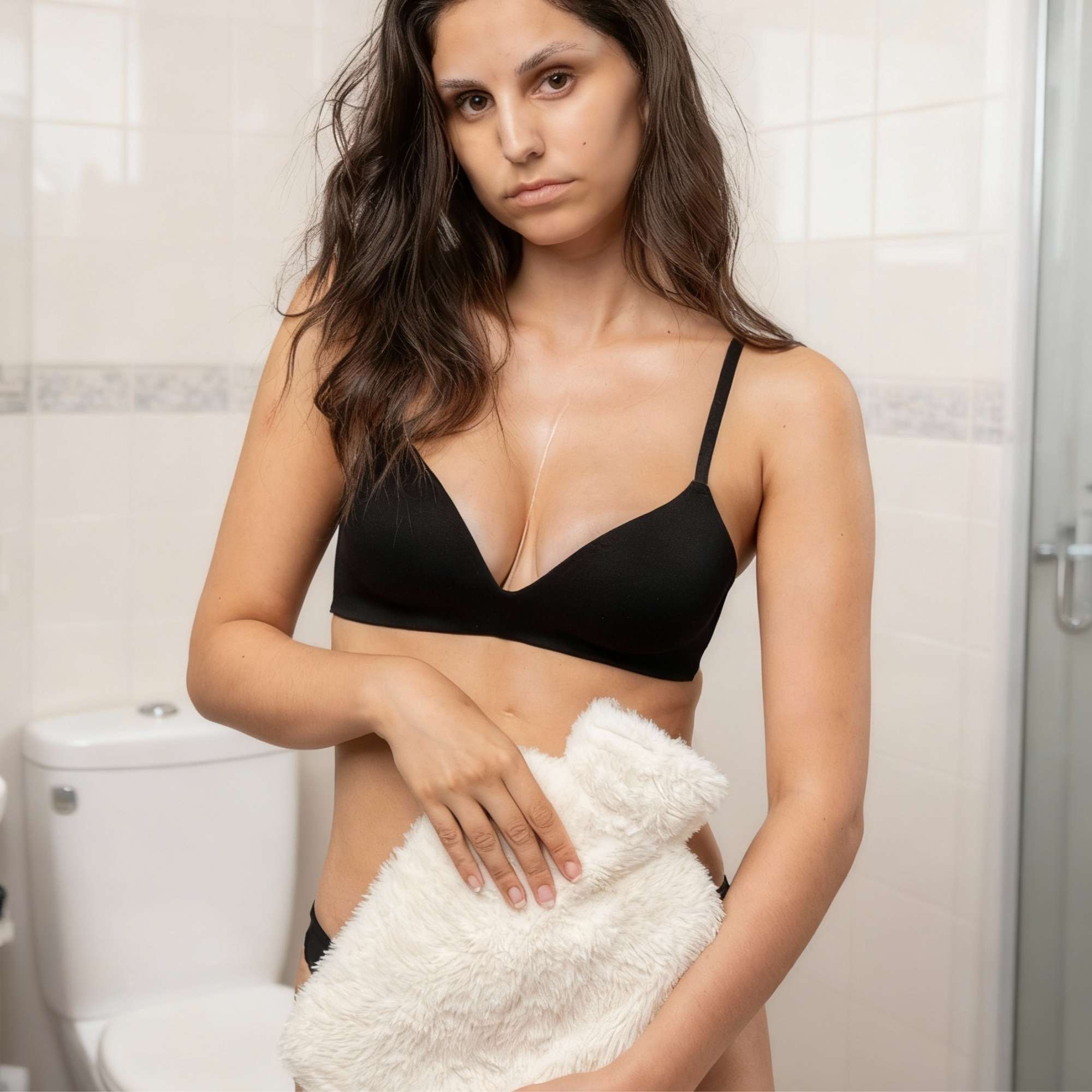
Make yourself a hot water bottle
Heat relieves cramps. A hot water bottle, a cherry pit pillow, or a warm bath relaxes the muscles in the lower abdomen. Pay attention to the temperature – sometimes less is more.
Go for a walk
Exercise will do you good. Even if you'd rather curl up: A walk, gentle stretching, or calming yoga will get your circulation going and loosen your stomach.
Pay attention to a balanced diet
Many women are sensitive to sugar, coffee, or heavy foods during this time. Light, nutrient-rich foods – such as porridge, vegetables, rice, or herbal teas – relieve your body.
Plan in short breaks
Stress worsens period pain. Make a conscious effort to take time for rest – even if it's just ten minutes. Breathing exercises, progressive muscle relaxation, or simply switching off often provide quick relief.
Get some sleep
Your body regenerates during sleep. You especially need sufficient rest during the second half of your menstrual cycle. People who sleep poorly perceive pain more intensely.
Support your body with nutrients
Magnesium, calcium, and omega-3 fatty acids can have an antispasmodic effect. Good sources include green vegetables, nuts, whole grains, flaxseeds, and fish.
Exercise regularly
You don't have to follow a strict exercise program – but everyday movement helps to balance hormonal fluctuations. Cycling, dancing, or gentle stretching also count.
Avoid nicotine and alcohol
Both can intensify period pain – especially before and during menstruation. If you notice that you are more sensitive to them, it's worth consciously avoiding them.
Choosing the right periodic product
When your lower abdomen hurts, you feel everything more intensely – including your menstrual product. It's therefore worth choosing a product that doesn't cause you additional discomfort or stress.
Especially in cases of cramps or a sensitive stomach, a soft, flexible protector can be more comfortable than rigid products.
If you frequently need to use the toilet or sit a lot, a soft, barely noticeable product can provide relief in everyday life.
Your body deserves products that are breathable, skin-friendly and well-tolerated – especially if you are already sensitive to your period.
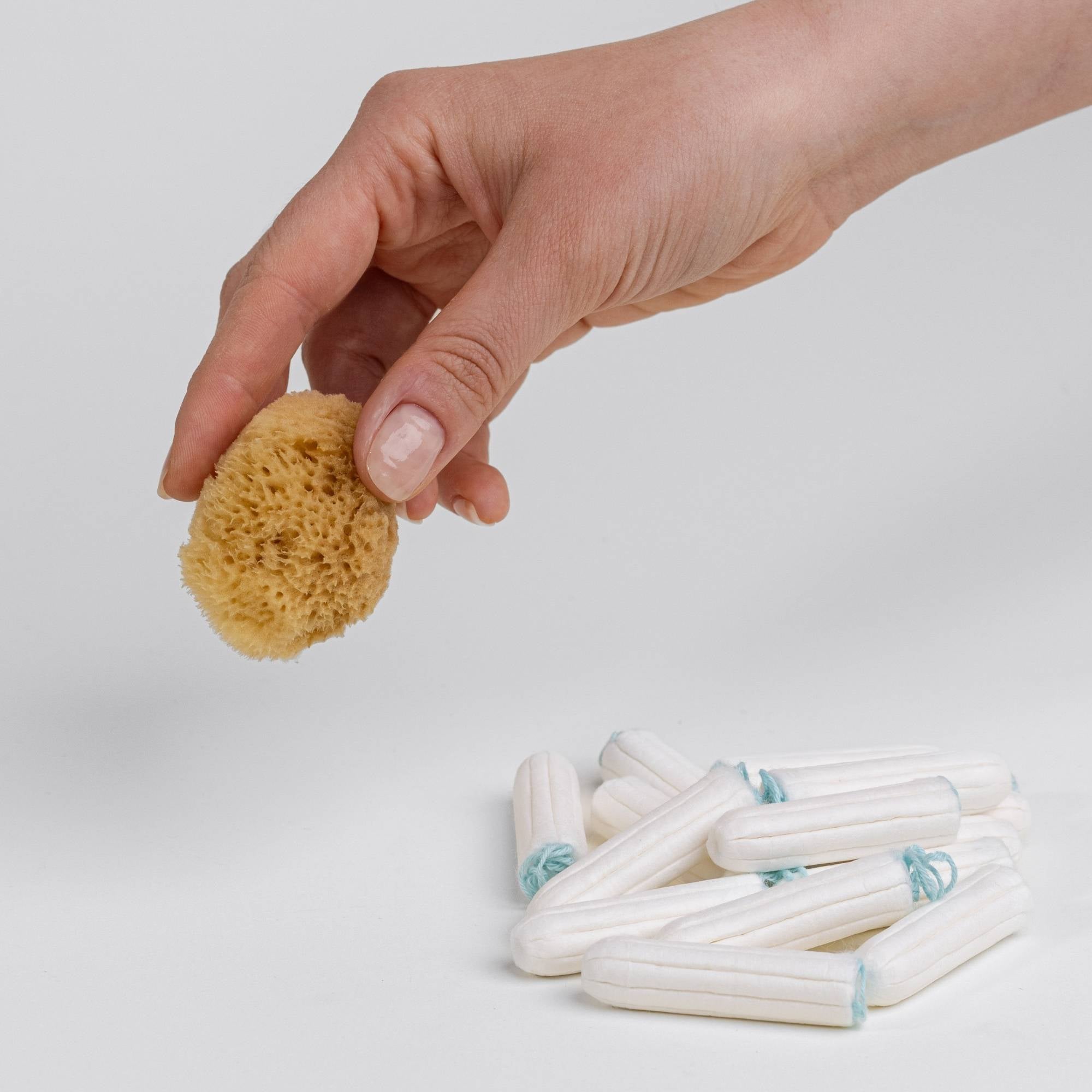
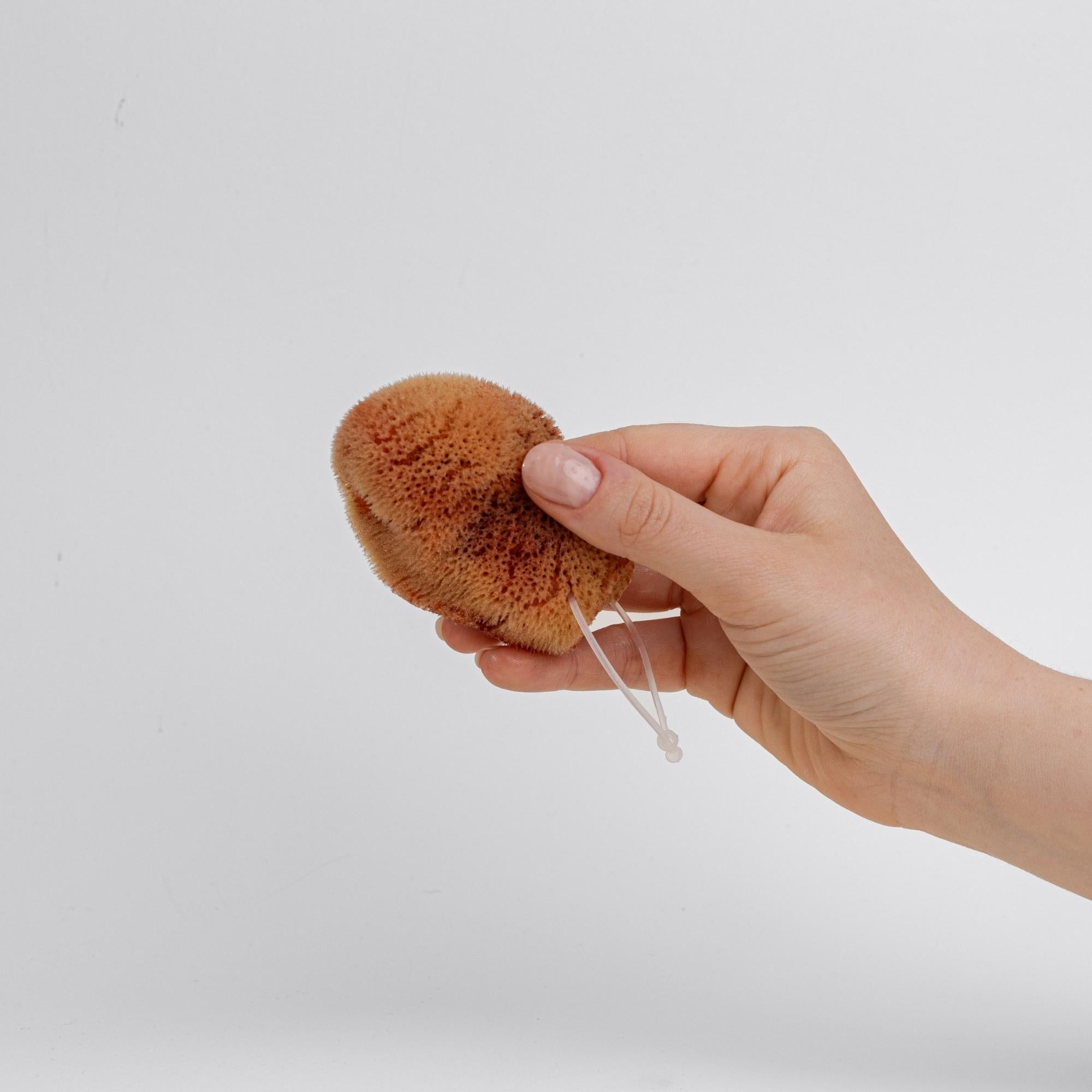
Tip: Many women find menstrual sponges particularly gentle. They adapt to the body without pinching or drying out.
👉 Here you'll find our starter set with menstrual sponges – ideal if you'd like to try a gentle alternative: Menstrual Sponge Starter Set from HERA Organics
Conclusion: Here's how you can experience your period in a more relaxed way.
Severe menstrual pain is common, but it doesn't have to be a permanent condition. Your body is trying to tell you something. If you take it seriously and support it, you can make a big difference.
Understand what's happening in your body – for example, by tracking your menstrual cycle. Use simple everyday tips like warmth, exercise, nutrition, and relaxation.
And: Get support if you notice that the pain is overwhelming you in everyday life. You don't have to bravely endure it. You are allowed to help yourself – gently, consciously, and with physical connection.
About the author
Florence is responsible for the blog, social media, and newsletter at HERA Organics. She writes about body-friendly intimate hygiene, sustainable period products, and everything that makes the menstrual cycle more natural – honestly, clearly, and without taboos.
Read more
Period and then diarrhea on top of it. That can be really unpleasant. Something most women don't talk about happens more often than you think. Read on to find out how period diarrhea occurs and wh...
Vaginal dryness also affects many young women. In this article, you'll learn about the causes of vaginal dryness, how to prevent it, and what you can do if you experience discomfort.
